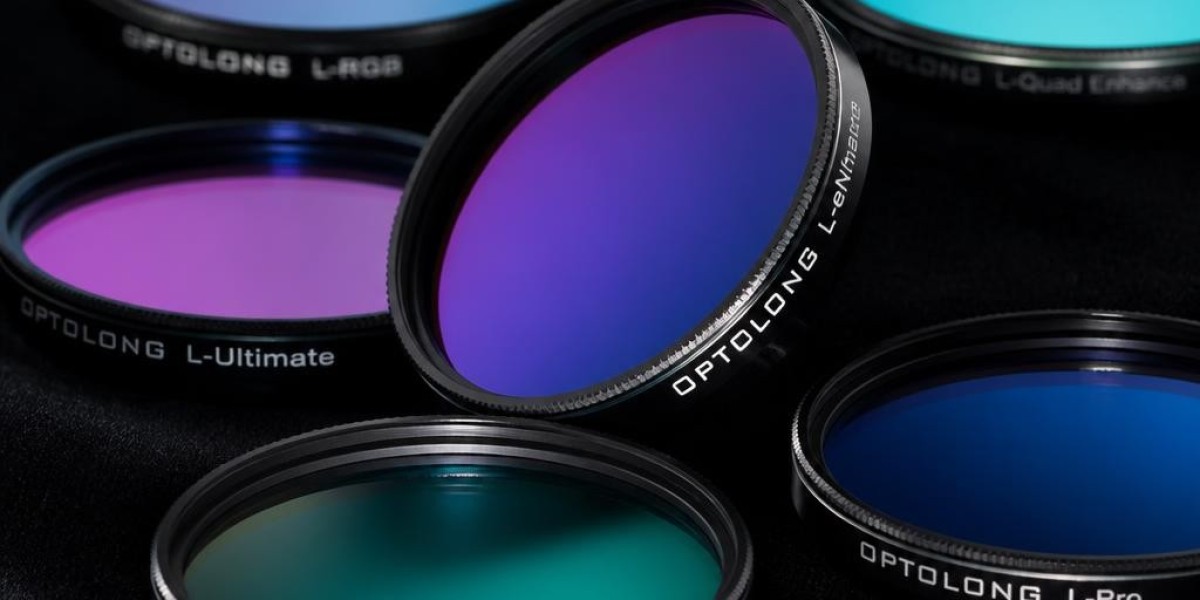

If you've ever tried imaging a nebula from your rooftop in Lahore, Karachi, or Islamabad and ended up with a washed-out, orange-tinted mess instead of the crisp deep-sky shot you were hoping for, you already understand the problem Optolong exists to solve. Light pollution is the single biggest obstacle standing between city-based astrophotographers and genuinely good images, and this is exactly where narrowband and dual-band filters earn their reputation. Sky Deep stocks the full range through its Optolong collection, and understanding which filter actually fixes your specific problem can save you from years of frustrating, glow-drenched images.
Why Filters Matter More in Pakistan Than Almost Anywhere Else
Most astrophotography advice online is written by people imaging from genuinely dark rural skies, where light pollution is a minor annoyance rather than a constant fight. That's simply not the reality for most Pakistani astronomers, who are working from major cities with heavy sodium and LED streetlight glow washing out the sky's natural contrast. Optolong filters work by selectively blocking the specific wavelengths that streetlights emit while passing through the narrow bands of light that nebulae actually produce — essentially filtering out the noise and keeping the signal. It's less a nice-to-have accessory and more a near-necessity if you're imaging from anywhere within city limits.
Starting Point: Broad Light Pollution Suppression
If you're just beginning to fight back against sky glow, a general-purpose light pollution filter is usually the sensible first step before committing to narrower, more specialized bands. The Optolong CLS 2" Mounted Filter blocks common artificial light wavelengths broadly, improving contrast for both visual observing and casual imaging without restricting you to only narrowband targets. It's a solid entry point because it works across a wide range of situations rather than locking you into one specific imaging style.
Dual-Band Filters: The Modern Middle Ground
For imagers who want a real leap in image quality without stepping fully into complex narrowband workflows, dual-band filters have become the go-to choice, and Optolong's lineup here is genuinely strong. The Optolong L-eNhance Light Pollution Dual-Bandpass 2" Imaging Filter isolates the H-Alpha and OIII wavelengths that most emission nebulae emit, letting you capture vivid nebula detail even under moderately polluted skies, all in a single filter rather than juggling separate exposures. If you're shooting with a Canon DSLR, the Optolong L-eNhance Light Pollution Dual-Bandpass Imaging Clip Filter for Canon EOS APS-C delivers the same dual-band benefit but mounts directly inside your camera body, a convenient option if you're imaging with a DSLR rather than a dedicated astro camera.
For imagers wanting an alternative dual-band profile tuned slightly differently, the Optolong L-Para 2" Dual Band Filter offers another solid option in this category, giving you flexibility to compare results and see which bandpass suits your particular camera sensor and target preferences better.
Going Narrowband: Precision Over Convenience
Once you're comfortable with dual-band imaging and want to push further into serious deep-sky work, narrowband filters isolate individual wavelengths with far greater precision, letting you build up detailed, richly colored composite images layer by layer. The Optolong H-Alpha 7nm CCD 2" Mounted Filter and its smaller-format sibling, the Optolong H-Alpha 7nm CCD 1.25" Mounted Filter, isolate hydrogen-alpha emissions specifically, the wavelength responsible for the glowing red structures visible in most emission nebulae.
For imagers chasing even tighter precision and better contrast under heavier light pollution, the Optolong H-Alpha 3nm CCD 2" Filter narrows that bandpass further, cutting through more background noise at the cost of requiring longer exposure times to gather enough signal. It's a genuine trade-off worth understanding before buying: narrower bandpass generally means better contrast but longer imaging sessions to compensate.
Filter Sets: Building Your Full SHO Palette
Serious deep-sky imagers eventually want to combine Hydrogen-Alpha, Sulfur-II, and Oxygen-III data into the striking false-color composites known as the Hubble palette, and buying a matched set removes the guesswork of pairing individually purchased filters with inconsistent calibration. The Optolong 1.25" Filter Set with H-Alpha, SII, and OIII Filters and the larger-format Optolong 2" Filter Set with H-Alpha, SII, and OIII Filters both give you that complete three-filter foundation in one purchase.
If you're also planning to shoot broadband LRGB data alongside your narrowband work, the combined Optolong 1.25" Filter Set with LRGB, H-Alpha, SII, and OIII Filters and its larger counterpart, the Optolong 2" Filter Set with LRGB, H-Alpha, SII, and OIII Filters, give you everything needed to build both natural-color and narrowband composite images from the same filter wheel without swapping brands or worrying about mismatched optical quality between filters.
For imagers who want the tightest possible bandpass across all three narrowband channels in one convenient package, the Optolong 3nm SHO 2" Mounted Filter Kit represents the premium end of this lineup, built for imagers chasing maximum contrast and detail who are willing to invest the longer exposure times narrowband imaging demands.
Matching Your Filter Choice to Your Actual Sky
The honest advice here is to buy based on your actual imaging location, not aspirational dark-sky trips you might take a few times a year. If ninety percent of your imaging happens from a light-polluted rooftop, prioritize narrowband and dual-band filters over broadband options, since that's where they deliver the most dramatic improvement. If you occasionally travel to darker sites outside the city, broader filters like the CLS remain useful there too, just with less dramatic transformation than what you'll see fighting urban glow.
Why Buying Genuine Optolong Filters Actually Protects Your Results
Here's something worth taking seriously: Sky Deep is the only authorized dealer of Optolong products in the whole of Pakistan, meaning every filter sold here is genuine, factory-calibrated glass — not unofficial China-sourced stock resold under uncertain quality control with no real accountability behind it. This matters enormously with narrowband filters specifically, since bandpass precision and coating quality directly determine whether your filter actually performs as advertised or quietly underdelivers on contrast and transmission.
Because every unit is authentic, Sky Deep purchases come backed by genuine manufacturer warranty support, something grey-market resellers simply can't provide since they hold no official standing with Optolong at all. When a filter's entire job is to solve a precision optical problem, buying through the one channel that can guarantee both authenticity and real support isn't a small detail — it's the whole reason the filter works the way it's supposed to.
Cut Through the Glow With the Right Filter
Choosing between two dozen filter options can feel overwhelming, especially when the difference between a 3nm and 7nm bandpass genuinely changes your imaging workflow. Get in touch with the Sky Deep team through their contact page and describe your camera, telescope, and typical imaging location, and they'll help you land on the filter or set that actually fixes the specific sky conditions you're shooting under.
Once your filter setup is sorted, it's worth exploring the rest of what's available too — from dedicated imaging cameras and precision telescopes to stable mounts and general camera accessories, all part of building a system that actually earns you the deep-sky detail you're chasing.
Frequently Asked Questions
What's the difference between a dual-band and a narrowband filter?
A dual-band filter like L-eNhance passes two specific wavelengths simultaneously, offering strong light pollution suppression with shorter exposure times, while narrowband filters isolate a single wavelength with much tighter precision, requiring longer exposures but delivering better contrast and detail for serious composite imaging.
Do I need narrowband filters if I only image occasionally from a dark-sky site?
Not necessarily. A broader filter like the CLS or a dual-band option is usually more practical for occasional imagers, since narrowband filters really shine when fighting consistent heavy light pollution rather than in genuinely dark conditions.
Can DSLR or mirrorless camera users use these filters too?
Yes, several Optolong filters come in clip-in formats specifically designed for DSLR sensors, like the L-eNhance clip filter for Canon EOS bodies, letting DSLR shooters access the same light pollution suppression benefits as dedicated astro camera users.
What does 3nm versus 7nm mean for H-Alpha filters?
The number refers to the bandpass width in nanometers — a narrower 3nm filter blocks more background noise and improves contrast further, but requires longer exposure times to gather sufficient signal compared to a 7nm filter.
Is it worth buying a full SHO filter set instead of individual filters?
Generally yes, since a matched set ensures consistent optical quality and calibration across all three channels, which produces more reliable, color-balanced composite images than combining filters purchased separately from different sources.