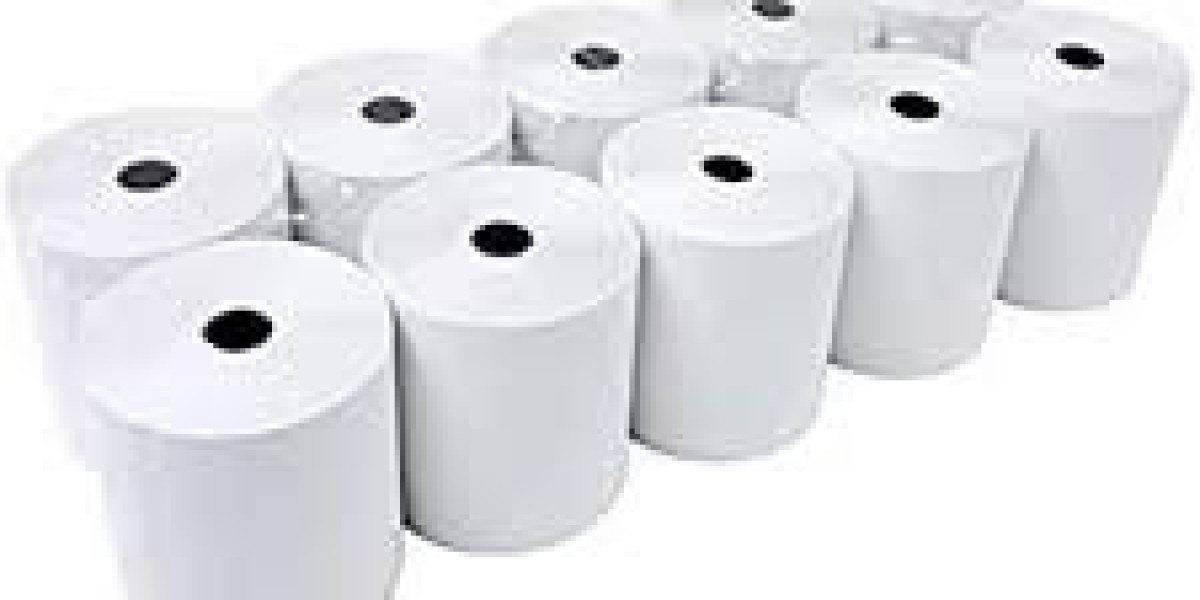

In an era defined by digital transactions and instant receipts, the humble thermal paper roll remains an indispensable component of modern business operations. From the receipt you receive at a coffee shop to the shipping label on your latest online order, these specially coated paper rolls are quietly powering commerce. But what exactly is thermal paper, how is it produced, and why are terms like "BPA-free" becoming a standard part of the conversation? Thermal Paper Rolls
What is Thermal Paper?
Unlike traditional printing methods that rely on ink or toner, thermal paper is a standard paper grade coated with a thermal-sensitive layer that creates text and images through heat . When exposed to the heat from a thermal printer's print head, the paper's coating undergoes a chemical reaction that produces a visible mark, creating a fast, silent, and efficient printing process .
The magic lies in the paper's chemistry. The thermal reactive layer contains three key components: a colorless dye (known as a leuco dye), a developer, and a sensitizer . When the printer's thermal head applies heat, the sensitizer melts, allowing the developer to interact with the dye and create a color—most commonly, a sharp black image .
A Deep Dive into the Production Process
Creating thermal paper is a highly engineered and precise process. It begins with high-quality base paper, often made from 100% virgin wood pulp. Post-consumer recycled content is rarely used as it lacks the consistency required for this specialized product .
The production journey from raw material to the final roll involves several key stages :
Pulp Preparation: Wood pulp is refined to create a uniform, high-grade base paper with a smooth surface and specific thickness.
Paper Formation: The pulp is spread onto a wire mesh to form a continuous sheet, which is then pressed and dried to the correct moisture content.
Coating: This is where standard paper transforms into thermal paper. Multiple layers are applied:
Pre-coat: A base coat applied to ensure a smooth surface and prevent heat from transferring through the paper, allowing for high-resolution images .
Thermal Reactive Layer: This critical layer contains the dye, developer, and sensitizer, applied evenly across the paper's surface .
Top and Back Coats: Used for specific applications to provide protection against mechanical stress or chemical reactions. However, receipt paper typically lacks these protective layers .
Drying and Quality Assurance: The coated paper is dried using advanced systems to prevent warping. Rigorous quality checks are performed throughout, testing thermal sensitivity, durability, and surface integrity .
Slitting and Conversion: The large "jumbo rolls" are cut into smaller rolls of specific widths and diameters . Precision slitting ensures the paper rolls are flat and feed smoothly through printers without jams .
Packaging: The finished rolls are bundled and packaged, often with protective wrapping to guard against dust and moisture .
Navigating the BPA-Free Question
A significant consideration for businesses and consumers is the chemical makeup of thermal paper. Traditional thermal paper has often relied on developers like Bisphenol A (BPA) or Bisphenol S (BPS) to create images . However, due to health concerns, the industry is shifting toward safer alternatives. BPA and BPS are endocrine disruptors, and the European Union and other regions have imposed restrictions on their use in thermal paper .
This has led to a rise in BPA-free thermal paper, which uses alternative developers like Pergafast 201 . The choice between standard and BPA-free paper often comes down to your specific needs:
Standard Thermal Paper: More cost-effective and provides sharp print quality, making it suitable for short-term uses like fast-food receipts .
BPA-Free Thermal Paper: The safer, more eco-friendly choice, ideal for industries like healthcare, food service, and retail where receipts are frequently handled by employees and customers . Although often slightly more expensive, it complies with global safety standards and offers peace of mind .
The Right Roll for the Right Job
Thermal paper rolls come in various grades and sizes to suit different applications. The major categories include fax and POS grades (around 58 grams per square meter), label and ticket grades (around 80 gsm), and heavy ticket grades (around 120 gsm) . Common sizes include 57mm x 50mm for many POS systems and 80mm x 80mm for ATM and credit card machines . For businesses needing bulk supply, companies like thepaperroll.com offer a wide range of thermal paper products, including rolls and ribbons, to meet diverse printing needs.
Conclusion
Thermal paper rolls are a marvel of modern material science, providing a reliable and efficient solution for countless industries. Whether you are a retailer, a logistics provider, or a healthcare professional, understanding the intricacies of how these rolls are made—and the importance of choosing the right type—can help you make informed decisions for your business. With a focus on sustainability and safety, the future of thermal paper lies in innovations like plant-based developers and BPA-free coatings, ensuring this essential tool remains effective and responsible .