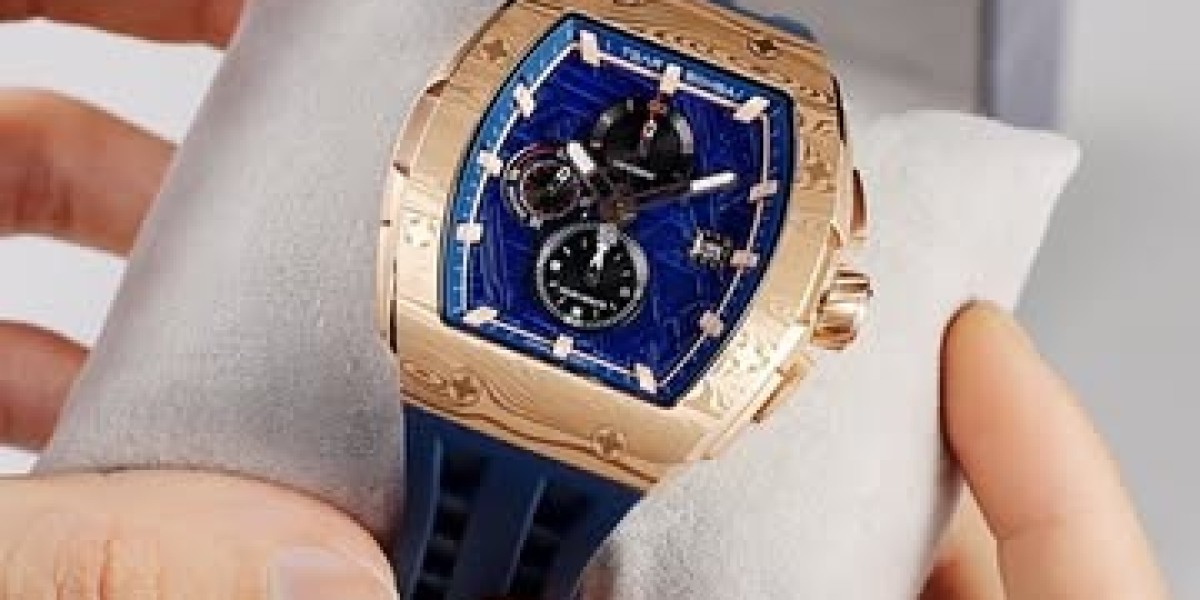

Few watch brands choose names that immediately invite questions, but Tsar Bomba is one of them. Borrowing its identity directly from the largest nuclear device ever detonated, the brand has built an entire aesthetic and marketing philosophy around atomic imagery, power, and scale. For potential buyers unfamiliar with the historical reference, understanding where the name comes from, and how the brand chooses to frame it, offers useful context for evaluating the products themselves.
What Tsar Bomba Actually Was
The original Tsar Bomba refers to a Soviet thermonuclear weapon tested in 1961 over the Novaya Zemlya archipelago in the Arctic. It remains, to this day, the most powerful explosive device ever detonated by humans, a scientific and military milestone that demonstrated the outer limits of nuclear yield during the Cold War arms race. The test became a defining symbol of that era's technological ambition and the immense destructive potential unlocked through nuclear physics.
This is heavy historical territory, and it's worth being clear-eyed about it. The event wasn't a triumphant or celebratory moment in a conventional sense; it represented one of the most extreme demonstrations of destructive capability in modern history, conducted during a period of intense geopolitical tension.
How the Watch Brand Frames the Reference
Rather than referencing the historical test directly as an act of destruction, the watch brand positions its naming choice around themes of scientific curiosity, engineering ambition, and raw technological power, reframing the association toward innovation rather than devastation. The brand's marketing materials draw parallels between atomic structure and its own interchangeable component design, describing watch parts as "orbiting" the case the way electrons orbit a nucleus, an attempt to translate atomic imagery into a design philosophy rather than a literal historical reference.
This kind of reframing isn't unique to Tsar Bomba. Plenty of brands across various industries borrow language from extreme, high-intensity historical or scientific events to evoke power, boldness, or disruption, often stripping away the more sobering context in favor of pure symbolism. Whether that approach feels appropriate is ultimately a matter of personal perspective, and it's a legitimate consideration for buyers who care about the story behind a brand they're purchasing from.
Why Naming Choices Like This Generate Discussion
Watch enthusiasts and casual buyers alike sometimes have mixed reactions to brands that lean into intense, historically loaded names. Some view it as edgy, memorable marketing that succeeds precisely because it stands out in a crowded, often conservative industry. Others find the association uncomfortable, arguing that borrowing imagery from a genuinely destructive historical event trivializes its significance, regardless of the brand's stated intentions.
There's no universally correct take here. Naming and branding decisions like this tend to divide opinion specifically because they're designed to provoke a reaction, and different buyers will weigh the historical context differently based on their own values and sensitivities.
Separating Branding From Product Quality
It's worth noting that a brand's naming philosophy and its actual product quality are two separate considerations, even if marketing tries to blend them into a single narrative. A watch's construction, movement reliability, material choices, and overall build quality don't change based on how provocative or evocative its name happens to be. Buyers evaluating Tsar Bomba specifically should feel free to separate their assessment of the branding from their assessment of the actual timepiece, weighing each on its own merits.
For buyers who find the naming choice off-putting regardless tsarsbomba.com of product quality, that's a completely valid reason to look elsewhere, since personal comfort with a brand's identity is a legitimate purchasing consideration. For buyers who see the name as simply bold, memorable marketing without deeper concern, it's unlikely to meaningfully affect long-term satisfaction with the watch itself.
A Broader Pattern in Modern Branding
Tsar Bomba's approach reflects a broader trend among newer, digitally native brands across multiple industries: leaning into intense, attention-grabbing names and visual language to stand out in oversaturated online marketplaces. Where established heritage brands often rely on decades of quiet reputation-building, newer entrants frequently need bolder tactics to capture attention quickly, particularly in categories as crowded as affordable watches.
This doesn't excuse insensitivity where it genuinely exists, but it does help explain the strategic logic behind such a distinctive, if divisive, naming choice.
Final Thoughts
Understanding the historical weight behind Tsar Bomba's name adds useful context for anyone considering the brand, even if that history doesn't ultimately change the purchasing decision. Some buyers will find the atomic-inspired branding compelling and memorable, aligning naturally with the bold, oversized design language found throughout the product lineup. Others may prefer to support brands with less historically loaded identities. Either reaction is reasonable, and recognizing the full context, rather than the sanitized marketing version alone, allows for a more informed decision either way.