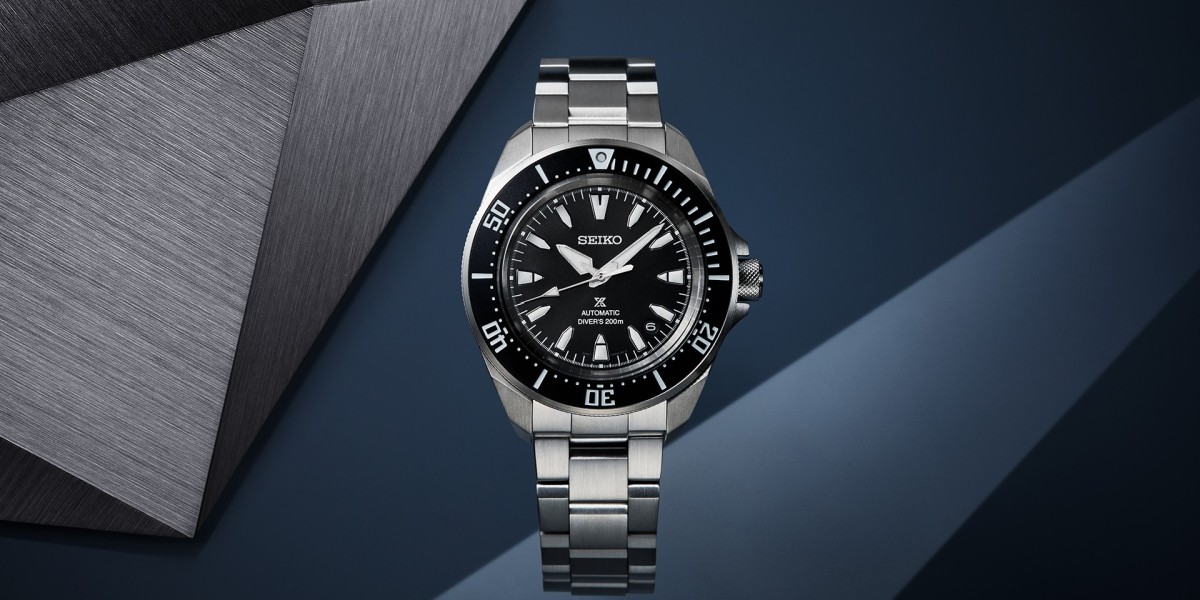

The watch industry is filled with brands promising precision, heritage, and craftsmanship, but few can back up those claims quite like Seiko Watches. For well over a century, this Japanese manufacturer has quietly built one of the most respected and diverse watch portfolios in the world. From budget-friendly automatics to hand-finished luxury pieces, Seiko has earned its place not through hype, but through consistent performance and genuine innovation.
A Company Built on Practical Ambition
Seiko's history begins in 1881 in Tokyo, where founder Kintaro Hattori started out repairing clocks and watches. Rather than staying content as a repair shop, Hattori pushed toward manufacturing, and by 1892 his company was producing its own clocks under the Seikosha name. Just over two decades later, in 1913, Seiko released Japan's first wristwatch, a milestone that set the tone for the company's future ambitions.
This pattern of steady, deliberate growth defined Seiko throughout the early to mid-20th century. Rather than chasing trends, the company focused on building internal expertise, developing its own components, movements, and manufacturing processes. That foundation would prove essential when Seiko decided to take one of the biggest gambles in watchmaking history.
Rewriting the Rules with Quartz
In December 1969, Seiko released the Astron, the world's first quartz wristwatch. It's difficult to overstate how disruptive this release was. Mechanical watches, however finely crafted, were inherently limited by the physical properties of springs and gears. Quartz technology sidestepped those limitations entirely, delivering vastly improved accuracy at a lower manufacturing cost.
The result was a seismic shift often referred to as the quartz crisis. Many established Swiss watchmakers, caught off guard by the sudden popularity of quartz technology, faced serious financial struggles throughout the 1970s and 1980s. Seiko, on the other hand, used its early lead to expand aggressively into international markets, solidifying its reputation as a brand willing to challenge the status quo rather than simply follow tradition.
Notably, Seiko didn't abandon mechanical watchmaking in the process. The company continued developing both quartz and mechanical technologies in parallel, eventually producing the Spring Drive movement, which merges mechanical energy storage with quartz-regulated accuracy for an exceptionally smooth and precise timekeeping experience.
A Lineup Built for Every Kind of Buyer
Few brands offer the sheer breadth of options that Seiko does. Whether someone wants an affordable daily wearer or a meticulously finished luxury piece, there's likely a Seiko watch designed for them.
The Seiko 5 series has become something of a rite of passage for newcomers to mechanical watches. With automatic movements, solid build quality, and prices that won't break the bank, it's often the first "real" watch for people entering the hobby.
The Prospex collection, meanwhile, caters to those who need serious performance. Designed with divers, adventurers, and outdoor professionals in mind, these watches emphasize durability, water resistance, and legibility above all else. Certain models have developed cult followings, with nicknames like "Turtle" and "Samurai" becoming part of everyday collector vocabulary.
At the highest tier sits Grand Seiko, a brand that emerged from Seiko's relentless pursuit of precision and has since become an independent luxury label in its own right. Grand Seiko watches are celebrated for their exquisite dial finishing, often inspired by natural Japanese scenery, along with movements crafted to standards that compete directly with the finest Swiss houses.
Manufacturing Philosophy That Builds Trust
A key reason behind Seiko's lasting reputation is its dedication to in-house production. Unlike brands that rely on third-party suppliers for movements or components, Seiko manufactures nearly everything itself, from the smallest gears to the finished case. This vertical integration gives the company tighter quality control and allows it to offer excellent value relative to its competitors.
It's common to encounter Seiko watches from decades past still functioning reliably today. That kind of durability isn't accidental; it reflects a manufacturing philosophy centered on building watches meant to last for generations, not just to catch attention on a shelf.
A Brand That Keeps Collectors Engaged
Seiko has cultivated a genuinely enthusiastic collector https://seikowatch.co.uk/ community over the years. Limited editions, unique dial colors, and unconventional case designs regularly spark excitement, and discontinued models often become highly desirable on the secondary market. This willingness to experiment keeps the brand feeling dynamic, even as it continues to honor its long history.
For many enthusiasts, Seiko also acts as an entry point into serious watch collecting, offering craftsmanship and mechanical sophistication at a fraction of what comparable Swiss luxury brands charge.
Final Thoughts
Seiko's continued relevance comes down to a straightforward but powerful formula: combine genuine innovation with dependable craftsmanship, and never stop refining both. From reshaping the entire watch industry with quartz technology to producing some of the most admired mechanical watches in the world through Grand Seiko, the brand has consistently proven that quality and accessibility don't have to be mutually exclusive. That balance is exactly why Seiko remains a trusted name for watch lovers around the world.






