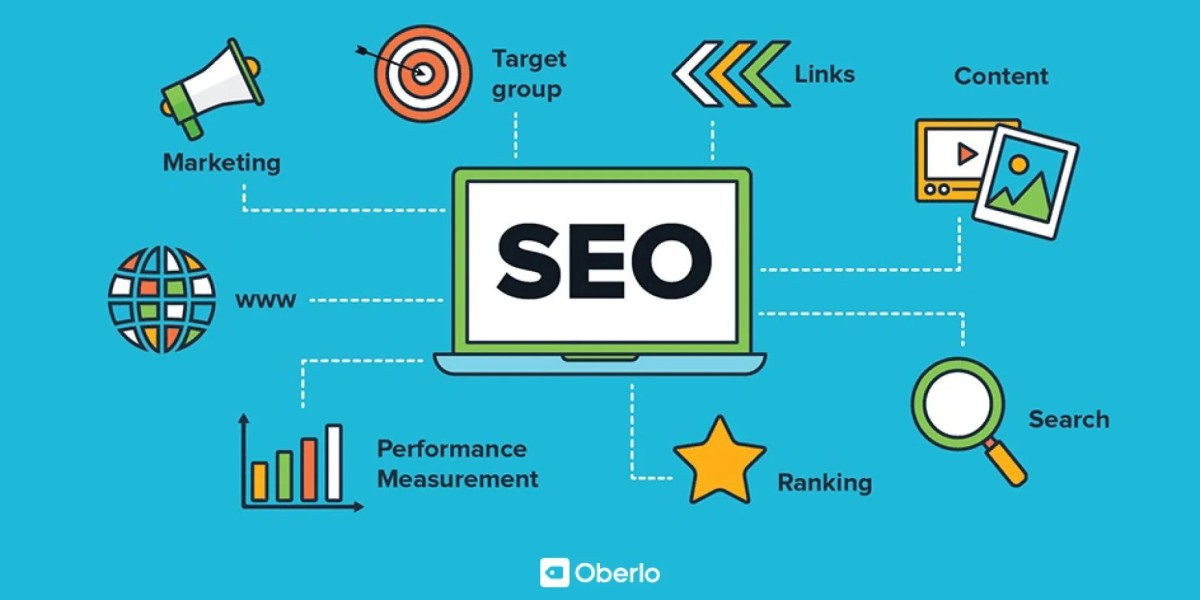

Publishing blog posts is only one part of a successful SEO strategy. Many businesses invest significant time in researching keywords, creating detailed articles, and optimizing pages for search engines, but they often move on to the next topic as soon as a post goes live. Over time, this approach can leave valuable content underdeveloped, outdated, or disconnected from the website's wider strategy. Older blog posts may still have useful information, relevant backlinks, existing search visibility, and the potential to attract new readers. With the right approach, businesses can turn these resources into long-term organic traffic assets that continue supporting visibility, audience engagement, and business growth well beyond their original publication dates.
Why Old Blog Posts Still Matter for SEO
An older blog post is not automatically an outdated or ineffective resource. Its value depends on the accuracy of its information, relevance to the audience, current search performance, and ability to satisfy user intent. Some articles continue attracting visitors for years, while others gradually lose visibility because their information no longer meets current expectations. In both situations, reviewing existing content can reveal opportunities that would otherwise remain unnoticed.
Older posts may already have advantages that a newly published article does not. They might have earned relevant backlinks, attracted mentions from other websites, accumulated useful search performance data, or established a history of serving readers. These factors do not guarantee rankings, but they can make an existing page worth improving rather than replacing. The article may need a clearer introduction, updated examples, additional explanations, or stronger connections to related resources.
For example, a business that published a guide about keyword research several years ago might discover that the article still receives impressions for relevant searches. However, the content may lack information about newer workflows, search intent analysis, or practical examples. Updating the article to address these gaps could make it more useful to modern readers while preserving the value of the existing URL.
The goal is to evaluate what each article can contribute today. Instead of treating older posts as completed projects, businesses should view them as assets that can be maintained, improved, and aligned with changing audience needs.
Identifying Which Blog Posts Deserve Attention
Before updating an older article, businesses need to determine which pages offer the strongest improvement opportunities. Updating every post at the same time can consume considerable resources, especially on websites with large content libraries. A more effective approach begins with a content audit that combines search performance data, content quality, business relevance, and the effort required to make meaningful improvements.
Google Search Console is a useful starting point because it shows which queries generate impressions and clicks for individual pages. An article with strong impressions but relatively few clicks may benefit from a more descriptive title or meta description. A page that ranks for several relevant queries might need additional sections to answer related questions more completely. Meanwhile, an article experiencing a sustained decline in organic clicks may need a deeper review of its accuracy, search intent, and competitiveness.
Google Analytics can provide additional information about how visitors interact with blog content. Businesses can examine landing-page sessions, engagement, conversions, and other relevant metrics to understand whether articles attract the right audience. A post with modest traffic may still be valuable if it contributes to qualified leads or assists visitors during the buying process.
Backlink data can also help prioritize updates. An article with relevant links from reputable websites may deserve careful maintenance because other resources already reference it. However, backlinks should not be the only consideration. A page must still provide useful information and support the website's goals.
A practical audit should identify articles that are outdated, underperforming, incomplete, or closely related to important business objectives. This allows teams to focus on improvements with a clear purpose rather than making changes simply because a post is old.
Refreshing Outdated Information Without Losing Existing Value
One of the most effective ways to improve an older blog post is to refresh information that no longer reflects current knowledge or user expectations. Over time, statistics change, software interfaces evolve, industry practices develop, and recommendations become less relevant. Readers who encounter inaccurate or obsolete information may lose confidence in the resource, even if other sections remain useful.
A content refresh should begin with a careful review of the article's main claims, examples, references, and recommendations. Businesses should replace outdated details with accurate information, remove obsolete advice, and explain important developments that affect the topic. If the original article contains useful sections, those should be preserved rather than discarded without reason.
For example, a blog post explaining website performance optimization may have been written before important changes to performance measurement and browser technology. The updated version could clarify current terminology, provide relevant examples, and explain which improvements matter most for the intended audience. These changes should improve the article's accuracy and usefulness instead of adding information simply to increase its length.
It is also important to preserve the original URL whenever possible. If the page has earned backlinks or accumulated search visibility, keeping the URL can help maintain continuity. Changing the URL without a compelling reason may introduce unnecessary migration work and the risk of losing existing signals. If a URL change is genuinely necessary, the website should implement an appropriate redirect and update relevant internal links.
A refreshed article should reflect genuine improvements. Changing the publication date alone does not make content more valuable, and no update can guarantee higher rankings. The strongest refreshes address specific weaknesses while preserving the information readers already find useful.
Using Search Intent to Make Older Content More Relevant
Search intent describes what people are trying to accomplish when they enter a query into a search engine. Even a well-written article can lose effectiveness when it no longer matches the information users expect to find. This makes search intent analysis an important part of turning old blog posts into sustainable organic traffic assets.
A person searching for a beginner's guide generally expects clear explanations, practical examples, and a logical introduction to the subject. Someone comparing different solutions may want to understand costs, advantages, disadvantages, and important differences. A reader searching for a specific procedure may prefer step-by-step instructions rather than a broad overview.
Businesses should review the queries associated with an older article and compare them with the page's actual content. Search Console can reveal whether the article appears for questions that it does not fully answer. Reviewing relevant search results can also help identify common expectations, useful content formats, and information that competing resources explain more effectively.
Suppose an older article about technical SEO receives impressions for searches related to crawling, indexing, and XML sitemaps. If the article only introduces these subjects briefly, its structure may not adequately satisfy readers looking for practical guidance. The business could improve the main guide with clearer explanations and links to detailed supporting articles where appropriate.
However, not every related query belongs on the same page. If a search term represents a substantially different need, creating or improving a separate resource may provide a better experience. The objective is to align each page with a clear purpose while ensuring that the overall content library covers related questions effectively.
Expanding Content With Useful Information and Practical Examples
Older blog posts sometimes underperform because they explain a topic too generally. They may define important concepts without showing readers how to apply them, or they may present recommendations without explaining when those recommendations are useful. Adding relevant depth can help transform these articles into more valuable resources.
Content expansion should focus on information that improves understanding or helps readers make better decisions. Depending on the subject, useful additions may include practical examples, step-by-step instructions, common mistakes, comparison tables, original observations, frequently asked questions, or explanations of important limitations.
For example, an article about improving organic traffic could become more useful by explaining how to identify declining pages in Search Console, evaluate their existing keywords, assess content quality, and measure the impact of updates. These practical details help readers move from general awareness to meaningful action.
The quality of the information matters more than the word count. Adding repetitive paragraphs or unrelated subtopics can make an article longer without making it better. Businesses should identify the questions that remain unanswered and address them with clear, accurate explanations.
Content expansion also creates opportunities to demonstrate real experience. Where appropriate, writers can include examples from actual projects, lessons learned, original research, or carefully explained workflows. These elements can make an article more distinctive than a generic overview that repeats information readily available elsewhere.
The result should be a resource that offers a more complete answer to its intended audience while remaining focused on the original topic.
Strengthening Internal Links to Support Organic Discovery
Internal links can help older blog posts become more valuable parts of the website's overall information structure. They connect related pages, guide readers toward additional information, and help search engines discover resources throughout the site. When existing articles are left without relevant links, visitors may miss useful content that could answer their next questions.
A review of older posts should identify opportunities to link to newer guides, relevant service pages, and supporting articles. For example, a blog post about keyword research could link to detailed resources about search intent, competitor analysis, on-page optimization, and content planning. These links allow readers to explore the subject in greater depth without leaving the website.
The reverse relationship matters as well. When a business publishes a new article, it should review relevant older resources and add contextual links to the new page where they genuinely help readers. This creates a more connected content library and can make newly published resources easier to discover.
Anchor text should accurately describe the destination and fit naturally within the surrounding paragraph. Repeating exact-match keywords excessively or inserting unrelated links can reduce readability. Internal linking should be guided by relevance and usefulness rather than a fixed number of links per article.
Businesses should also make sure important pages are not isolated from the rest of the website. Improving relevant links from established content can help search engines reach those pages and give visitors a clearer path through related information.
Finding New Keyword Opportunities in Existing Articles
A blog post may begin with one target keyword but gradually appear in search results for many related queries. These additional searches can reveal opportunities to improve the article's coverage or develop supporting content that addresses specific audience needs.
Google Search Console allows businesses to review the queries associated with individual pages. Marketers can identify relevant terms that generate impressions, examine their average positions, and determine whether the article adequately addresses the questions behind those searches. This analysis can reveal topics that were not fully considered during the original writing process.
For instance, a post about email marketing might receive impressions for searches related to subject lines, audience segmentation, campaign timing, and performance tracking. If these topics are closely connected to the article's purpose, a carefully planned update may help readers find more complete information. If one subject requires extensive explanation, a separate supporting guide may be more appropriate.
Keyword research tools can help validate these opportunities by providing estimates of search demand and competition. However, businesses should not prioritize keywords based on volume alone. Search intent, relevance to the audience, existing page performance, and commercial value should also influence decisions.
This process helps prevent unnecessary content creation. Before publishing a new article, teams can check whether an existing page already addresses the subject and whether improving it would provide a better result. In this way, older posts can support an expanding SEO strategy without creating avoidable duplication.
Improving Titles, Headings, and On-Page Elements
Sometimes an older article contains useful information but presents it in a way that makes the page difficult to understand or less appealing in search results. Improving on-page elements can help communicate the subject more clearly to both search engines and readers.
The title tag should accurately describe the page and reflect its main purpose. If the existing title is vague, outdated, or poorly aligned with the search intent, a clearer alternative may improve its relevance and click appeal. Meta descriptions should summarize the page's value in a natural way, although search engines may generate a different snippet depending on the query.
Headings should organize information into meaningful sections. They can help readers scan the article and identify the answers most relevant to them. Businesses should also review the introduction to ensure that it establishes the topic clearly and explains what readers can expect to learn.
Image optimization may provide another improvement opportunity. Relevant images should have descriptive alternative text when appropriate, suitable file sizes, and useful captions where these add context. Broken links, formatting problems, and mobile usability issues should also be corrected as part of the update.
These improvements are most effective when they address actual weaknesses. Rewriting a successful title without a clear reason or changing headings simply to include more keywords may not improve performance. Every adjustment should make the page clearer, more accessible, or more relevant to its intended audience.
Protecting Valuable Backlinks and Existing Search Signals
Older blog posts sometimes acquire backlinks from industry publications, blogs, professional communities, or other relevant websites. These links may help readers discover the resource and can contribute to the page's authority within the web's linking structure. Before making substantial changes, businesses should understand which pages have earned links and how those links relate to the article's topic.
A backlink review can identify older resources that deserve particular care during optimization. If an article with valuable referring links contains outdated information, updating the existing page may be preferable to replacing it with a new URL. The updated content should remain relevant to the subject that originally attracted those links.
Businesses should also review broken backlinks and links pointing to missing pages. When a relevant replacement resource exists, a suitable redirect may help visitors reach useful information instead of encountering an error. Redirect decisions should reflect the relationship between the original and destination pages rather than sending every removed article to the homepage.
Backlinks should be evaluated for relevance and quality, not simply counted. A large number of low-quality links does not automatically make a page valuable, and a page without many backlinks can still attract useful organic traffic.
Preserving existing value requires a balanced approach. Businesses should improve weak content, protect useful page history where practical, and avoid unnecessary structural changes that create more work without delivering a clear benefit.
Measuring Whether Content Updates Are Working
Content optimization should be supported by measurement. Without a baseline, businesses may struggle to determine whether an update improved organic visibility, attracted more relevant visitors, or contributed to business results.
Before making significant changes, record the page's current organic clicks, impressions, important queries, average position, and relevant conversion metrics. The appropriate measures will depend on the article's purpose. An educational post may primarily support organic discovery, while a comparison article may help users evaluate a service or product.
After updating the page, monitor performance over a reasonable period and consider normal fluctuations in search demand. Look for changes in relevant query visibility, organic clicks, click-through rate, engagement, and conversions. Comparing equivalent periods can help account for seasonal differences when seasonality is relevant.
Not every update will produce an immediate increase in traffic. Some changes may improve accuracy and user experience without leading to a measurable ranking gain. Others may reveal that the original topic has limited demand or that a different content format would better serve the audience.
Businesses should document what they changed and what happened afterward. Over time, this creates a more informed optimization process and helps teams identify which types of improvements tend to work well for their website.
The objective is not to guarantee that every old post becomes a high-traffic page. It is to make thoughtful, measurable decisions that improve the value of the content library as a whole.
Building a Repeatable Content Refreshing Process
Turning old blog posts into long-term organic traffic assets works best when content refreshing becomes a regular part of SEO management. A repeatable process helps businesses maintain quality, identify opportunities early, and avoid allowing important resources to deteriorate over time.
The process can begin with a complete inventory of published articles, including their URLs, primary topics, publication dates, organic performance, and business relevance. Teams can then group pages by subject and identify which resources need immediate attention, which are performing well, and which may be candidates for consolidation.
Next, prioritize pages according to their potential value and the effort required. A high-value article with declining visibility and clear content gaps may deserve attention before a low-impact page that requires extensive research. After prioritization, review search intent, update factual information, improve structure, add relevant internal links, and address technical or usability issues.
Once the updates are published, monitor the results and record lessons for future work. The process should also include a review of newly published content so that existing resources can link to relevant new pages where appropriate.
Not every article needs a scheduled rewrite. Some remain accurate and useful for years, while others require frequent attention because their subjects change quickly. Review intervals should reflect the topic, business importance, and observed performance.
A disciplined approach allows businesses to maintain older content without neglecting new opportunities. It also makes content management more efficient by ensuring that decisions are based on evidence and audience needs.
Conclusion
Turning old blog posts into long-term organic traffic assets requires more than changing publication dates or adding a few keywords. Businesses need to understand which pages have potential, identify outdated or incomplete information, align content with search intent, strengthen internal links, and measure the results of their improvements.
Older articles may already possess useful search visibility, relevant backlinks, and valuable information that deserves to be preserved. By building on these foundations, businesses can improve their content libraries while avoiding unnecessary duplication and wasted editorial effort.
The most sustainable approach combines regular content audits with meaningful updates and performance monitoring. Some articles will benefit from a small refresh, while others may need deeper restructuring or consolidation. Each decision should be guided by the page's purpose and the needs of its audience.
Organic growth does not always depend on publishing more content. By maintaining and improving the resources they already have, businesses can create a stronger foundation for relevant search traffic, greater user trust, and lasting SEO performance.
Read More Read More Read More Read More Read More Read More Read More
Read More Read More Read More Read More Read More Read More Read More
Read More Read More Read More Read More Read More Read More Read More
Read More Read More Read More Read More Read More Read More Read More
Read More Read More Read More Read More Read More Read More Read More
Read More Read More Read More Read More Read More Read More Read More
Read More Read More Read More Read More Read More Read More Read More
Read More Read More Read More Read More Read More Read More Read More
Read More Read More Read More Read More Read More Read More Read More