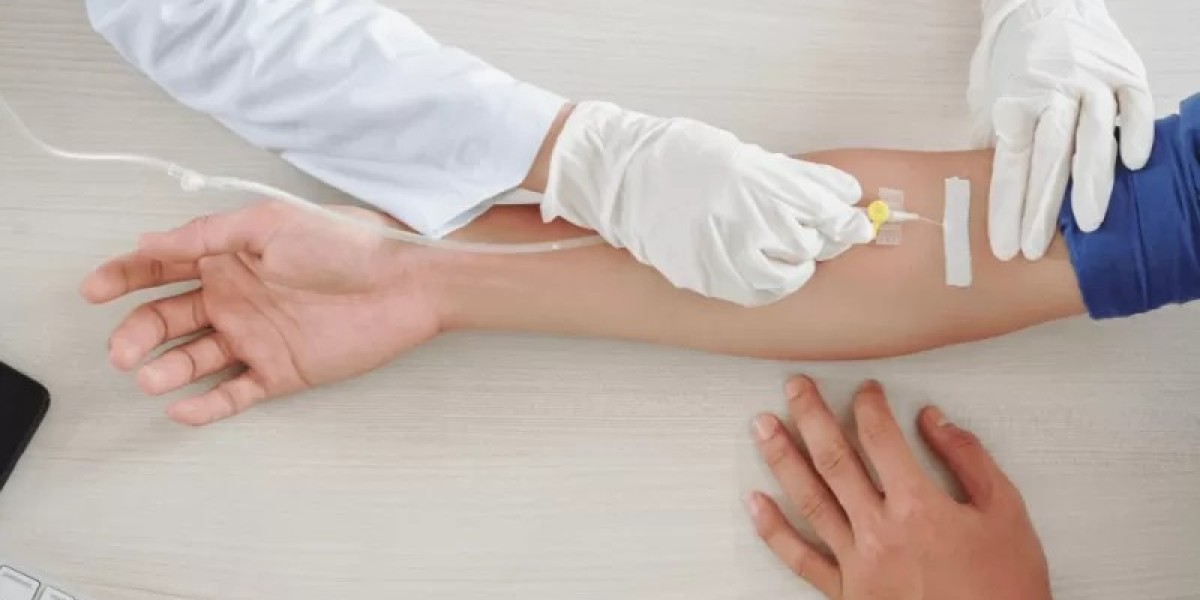

Receiving intravenous treatment at home can offer convenience for patients who need medically supervised care, but safety must always come first. Glucose Drip at Home in Dubai may be appropriate for selected patients when a qualified healthcare professional determines that intravenous glucose is necessary for their condition. A Doctor at Home service can assess symptoms, review medical history, identify potential risks, and recommend the most suitable treatment before an infusion begins. Doctor assessment is particularly important because glucose drips are not a universal solution for weakness, dehydration, or fatigue. Understanding the role of clinical evaluation helps patients and families make informed decisions and ensures that home treatment follows an appropriate medical plan.
Why Doctor Assessment Is Essential Before Glucose Drip Treatment:
A doctor's assessment helps establish whether intravenous glucose is medically indicated and whether it can be administered safely in a home setting. Glucose-containing solutions deliver fluid and glucose directly into the bloodstream, but their suitability depends on the patient's diagnosis, blood glucose levels, hydration status, and overall health. Some solutions do not contain enough electrolytes to replace salts lost through vomiting or diarrhea, so glucose alone may not be the right treatment for dehydration. During an assessment, the doctor considers the patient's symptoms, existing medical conditions, medications, and ability to eat and drink. This process helps prevent unnecessary treatment and identifies situations in which oral rehydration, electrolyte-containing fluids, nutritional support, or hospital-based care may be more appropriate.
Reviewing Medical History and Existing Health Conditions:
A detailed medical history allows the doctor to identify factors that could affect the safety of intravenous glucose. Patients should disclose conditions such as diabetes, kidney disease, heart disease, and disorders that affect blood glucose or fluid balance. Previous reactions to intravenous treatments, known allergies, current medications, and recent medical procedures should also be discussed. For example, people with kidney or heart conditions may need careful fluid management, while patients with diabetes may require specific blood glucose monitoring. Older adults and patients taking several medications may also need additional consideration. Reviewing this information helps the doctor determine whether the proposed treatment is suitable, what precautions are necessary, and whether further investigations should be completed before the infusion.
Assessing Symptoms and Identifying the Underlying Cause:
Weakness, fatigue, poor appetite, dizziness, and reduced energy can result from many different conditions, so a doctor must evaluate the symptoms rather than automatically recommending a glucose drip. Dehydration, infection, low blood glucose, anemia, medication effects, and nutritional problems may produce similar complaints but require different treatments. The doctor may ask when symptoms started, whether they are worsening, how much the patient has been eating and drinking, and whether vomiting, diarrhea, fever, or changes in urination are present. This assessment helps identify the likely cause and determine whether intravenous treatment is necessary. If symptoms suggest a serious illness or an emergency, the doctor may recommend urgent hospital evaluation instead of home infusion.
Checking Vital Signs and Relevant Clinical Measurements:
Before prescribing a glucose drip, the doctor may check the patient's temperature, pulse, blood pressure, breathing rate, and general condition. These measurements can help assess whether the patient is stable enough for home treatment and whether further medical evaluation is required. Depending on the patient's symptoms and medical history, the doctor may also recommend blood glucose testing, electrolyte measurements, kidney function tests, or other investigations. Not every patient requires every test; the assessment should be tailored to the clinical situation. Results help guide decisions about the type of fluid, the need for monitoring, and the appropriate treatment setting. If the findings suggest significant dehydration, an electrolyte imbalance, or another serious problem, the doctor may recommend a different treatment plan.
Determining Whether Intravenous Glucose Is the Right Treatment:
Doctor assessment helps distinguish situations in which intravenous glucose may be useful from those requiring another approach. Glucose can provide energy and may be prescribed for specific clinical indications, but it is not a standard treatment for every episode of dehydration or tiredness. Patients who can drink safely may benefit from oral fluids or an oral rehydration solution, especially when both water and electrolytes need to be replaced. Others may need an intravenous fluid that contains appropriate electrolytes rather than glucose alone. The doctor considers the patient's condition, relevant test results, fluid requirements, and treatment goals before making a recommendation. This individualized decision helps ensure that the selected treatment addresses the actual medical need instead of simply treating a symptom.
Creating a Safe Home Treatment and Monitoring Plan:
If the doctor determines that a glucose drip can be provided safely at home, a clear treatment plan should specify the prescribed solution, administration instructions, monitoring requirements, and follow-up arrangements. Qualified healthcare personnel should administer the infusion using appropriate infection-control procedures and sterile equipment. Monitoring may include observing the patient's general condition, checking the IV insertion site, and measuring blood glucose or other clinical indicators when indicated. Patients with diabetes, kidney disease, or heart conditions may require additional precautions. The doctor should also explain possible complications and what to do if the patient's condition changes. A home infusion should never be started, repeated, or adjusted without appropriate medical authorization, and the patient should be referred to a healthcare facility if home management is no longer suitable.
The Importance of Choosing a Qualified Home Healthcare Provider:
Patients considering Glucose Drip at Home in Dubai should select a reputable provider that offers qualified healthcare professionals, appropriate clinical assessment, and a clear safety process. Doctor assessment and professional administration work together: the doctor determines whether treatment is appropriate, while the trained healthcare professional follows the prescribed plan and monitors the patient during the visit. Patients should understand why the infusion is recommended, what the solution contains, and what follow-up may be required. Before agreeing to treatment, it is useful to ask:
What medical problem is the glucose drip intended to address?
Is intravenous glucose more suitable than oral hydration or another fluid?
Does the patient need blood glucose or electrolyte monitoring?
What complications should the patient and family watch for?
Who should be contacted if symptoms worsen during or after treatment?
Is home care appropriate, or is hospital evaluation recommended?
Recognizing When Home Treatment Is Not Appropriate:
Even after an initial assessment, a patient's condition may require a higher level of care. Severe dehydration, persistent vomiting with an inability to retain fluids, markedly reduced urine output, or worsening dizziness may require prompt medical evaluation. Chest pain, severe breathlessness, collapse, new confusion, difficulty waking, or signs of a serious allergic reaction require emergency assistance. These symptoms should not be managed by simply arranging a glucose drip, as doing so may delay essential treatment. Patients with diabetes who develop severe symptoms associated with abnormal blood glucose should follow their emergency care plan and seek urgent help. The doctor should explain which warning signs require immediate action and ensure that patients and caregivers understand when to contact emergency services.
How Patients and Families Can Support Safe Treatment:
Patients and family members can help make home treatment safer by providing accurate information, following the prescribed plan, and communicating changes promptly. Before the visit, prepare a list of medications, allergies, existing health conditions, and recent symptoms. During treatment, report discomfort, dizziness, unusual sweating, or changes around the IV site rather than waiting until the infusion is complete. After the visit, follow the instructions for aftercare, nutrition, hydration, and follow-up appointments. Patients should not adjust the infusion rate or manipulate the IV equipment themselves. If weakness, fever, vomiting, or poor appetite continues, further medical assessment may be needed to identify the underlying cause. Good communication helps the healthcare team make appropriate decisions throughout recovery.
Final Thoughts
Doctor assessment is a fundamental part of safe glucose drip treatment at home. It helps determine whether intravenous glucose is necessary, identifies conditions that may increase risk, and guides decisions about monitoring and follow-up. Glucose Drip at Home in Dubai should only be provided when a qualified clinician confirms that it is appropriate for the patient's individual medical needs. A careful assessment, qualified administration, clear instructions, and prompt attention to warning signs can reduce avoidable risks and support safer care. Patients and families should remember that the best treatment is not always an infusion; it is the approach that addresses the underlying condition and provides the right level of medical support.