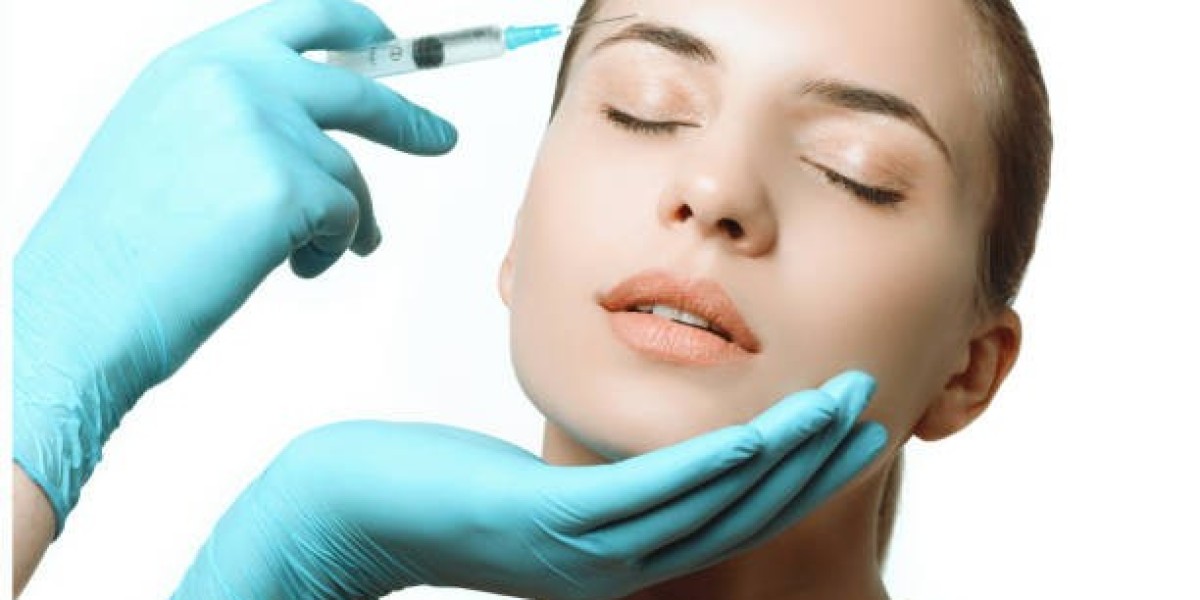

Botox is a widely used non-surgical cosmetic treatment for reducing the appearance of certain facial wrinkles. However, understanding what the treatment can and cannot achieve is essential before making a decision. Botox Injections in Riyadh (حقن البوتوكس في الرياض) may help soften expression lines and create a more refreshed appearance, but results depend on individual facial anatomy, muscle activity, skin condition, and treatment planning. Setting realistic expectations allows patients to approach the procedure with greater confidence and understand why a personalized consultation is an important first step.
What Can Botox Realistically Achieve?
Botox is a prescription treatment containing botulinum toxin type A. It temporarily reduces activity in selected muscles by interfering with the nerve signals responsible for muscle contraction. When these muscles relax, the skin above them may appear smoother, particularly in areas affected by repeated facial expressions.
Softening Expression Lines
Botox is commonly used to address dynamic wrinkles, which become more noticeable when a person frowns, smiles, or raises their eyebrows. Common treatment areas include forehead lines, frown lines between the eyebrows, and crow's feet around the eyes.
The degree of improvement varies from person to person. Some patients notice a substantial reduction in targeted lines, while others experience a more subtle change. The goal is generally to soften wrinkles while maintaining natural facial expression rather than eliminating every line.
Supporting a Refreshed Appearance
Reducing prominent expression lines may help some people look less tired or tense. However, Botox does not change every aspect of facial aging. It does not directly restore lost facial volume, remove excess skin, or treat all forms of uneven skin texture. A healthcare professional can help determine whether Botox is appropriate for the concerns a patient wants to address.
How Long Does It Take to See Results?
One common expectation is that Botox will work immediately. In reality, its effects develop gradually as the targeted muscles respond to treatment.
Understanding the Treatment Timeline
Some patients begin noticing changes within several days after their appointment. The effect generally becomes clearer over approximately 10 to 14 days. During this period, the appearance of expression lines may gradually soften.
Patients should avoid judging the final outcome too early. If the results appear uneven or less noticeable than expected, a follow-up assessment after the recommended interval can help determine whether any further action is appropriate.
How Long Do Results Last?
Cosmetic Botox results commonly last around three to four months, although duration varies. Muscle activity, treatment area, individual response, and the treatment plan can all influence how long the effects remain noticeable.
As the effect gradually wears off, muscle movement returns and expression lines may become visible again. Botox does not permanently remove wrinkles or stop the natural aging process. Maintenance appointments may be considered with a qualified practitioner when appropriate.
What Factors Influence Botox Results?
Not everyone experiences identical results, even when treating similar areas. Several factors influence the outcome and should be considered during the consultation.
Facial Anatomy and Muscle Strength
People differ in facial proportions, muscle activity, and the depth of existing lines. Stronger muscles or deeply established wrinkles may respond differently from milder expression lines. The practitioner should consider these differences when selecting injection sites and determining an appropriate treatment plan.
Skin Condition and Age-Related Changes
Botox primarily targets muscle-related movement. Fine lines that remain visible when the face is at rest may not respond as fully, especially when they are associated with sun damage, changes in skin elasticity, or long-term creasing. Other skincare or medical aesthetic approaches may be discussed if they better match the patient's concerns.
Treatment Planning and Practitioner Experience
Appropriate product selection, injection placement, and knowledge of facial anatomy are essential. Botox Injections in Riyadh should be administered by an appropriately qualified healthcare professional using a suitable regulated prescription product. A personalized approach helps balance wrinkle reduction with natural facial movement.
Why Natural-Looking Results Matter
A successful treatment does not necessarily mean removing every wrinkle. Facial expressions are part of normal communication, and excessive weakening of certain muscles can create an appearance that feels unnatural to the patient.
Maintaining Facial Expression
A qualified practitioner should understand which muscles contribute to the patient's concerns and how they interact with surrounding areas. Treatment can then be planned around the desired degree of improvement while taking facial balance into account.
Patients should communicate whether they prefer subtle softening or a more noticeable reduction in expression lines. The practitioner can explain what is realistic and avoid promising a particular appearance that cannot be guaranteed.
Avoiding Unrealistic Comparisons
Online photographs and promotional images may show different lighting, facial expressions, camera angles, or additional cosmetic treatments. These factors can make results appear more dramatic than they would under everyday conditions.
Every patient's response is individual. Rather than expecting to look exactly like another person, patients should focus on achievable improvements that suit their own features.
How to Prepare for a Botox Appointment
Preparation begins with an honest discussion of medical history, current medications, allergies, previous cosmetic procedures, and personal goals. Patients should mention any neuromuscular conditions or history of swallowing or breathing difficulties. Elective cosmetic treatment is generally deferred during pregnancy or breastfeeding because safety data are limited.
Patients should not stop prescribed medication, including blood-thinning medication, without guidance from the prescribing clinician. The practitioner can provide individualized instructions before and after treatment.
After injections, temporary redness, swelling, tenderness, bruising, or headache may occur. Temporary eyelid or eyebrow drooping and asymmetry are also possible. Follow the practitioner's aftercare guidance, including advice about rubbing the treated area and when to seek review.
Rarely, serious symptoms such as difficulty breathing, swallowing, or speaking, or generalized muscle weakness, can occur after botulinum toxin treatment. These symptoms require immediate medical attention.
When Should You Consider a Follow-Up Appointment?
A follow-up appointment can help assess the results once the treatment has had sufficient time to take effect. Patients should discuss persistent concerns, unexpected changes, or dissatisfaction with their practitioner rather than arranging additional injections too soon.
A follow-up is also an opportunity to review whether the treatment met the original goals and whether future treatment is appropriate. There is no need to pursue repeated injections simply because they are available; decisions should be based on individual needs, safety, and professional advice.
Book an Appointment at Royal Clinic Saudia
Setting realistic expectations is an important part of making an informed decision about cosmetic treatment. Royal Clinic Saudia ( عيادات رويال كلينك ) can help patients understand the potential benefits, limitations, and safety considerations of Botox through an individualized consultation. If you are considering Botox Injections in Riyadh, discuss your concerns with a qualified healthcare professional to establish an appropriate treatment plan and understand the results you can reasonably expect.