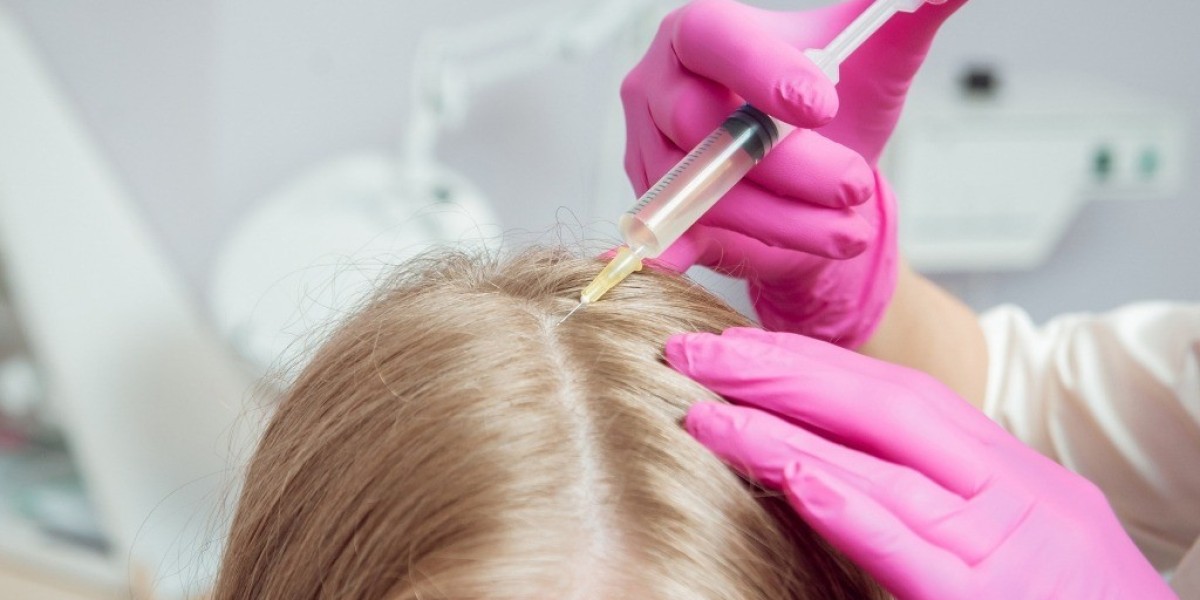

Female hair restoration requires careful planning to achieve a result that complements a woman's facial features, existing hair density, and natural growth pattern. One of the most important decisions during this process is selecting the appropriate grafts for the areas affected by thinning or hair loss. Graft selection influences the appearance of the hairline, the distribution of density, and how well transplanted follicles blend with the surrounding hair.
For women considering a Female Hair Transplant in Dubai, the assessment should extend beyond determining the number of grafts needed. Specialists must evaluate donor hair quality, follicular unit composition, shaft thickness, natural growth direction, and the extent of existing hair loss. These factors help determine whether the available donor supply can support the desired coverage without creating unnecessary depletion in the donor area.
Unlike a standard approach that focuses primarily on filling visible gaps, female hair restoration often requires a more individualised strategy. Some women seek to restore a receding frontal hairline, while others experience thinning around the temples or reduced density across the central scalp. Each pattern requires a different graft distribution strategy.
The selection process also involves identifying the underlying cause of hair loss. Conditions such as female-pattern hair loss, traction alopecia, and certain scarring disorders may influence surgical suitability and long-term planning. A thorough consultation helps establish realistic expectations and determine whether transplantation is appropriate.
Understanding how grafts are selected can help patients make informed decisions, ask relevant questions during consultations, and appreciate why natural-looking results depend on both surgical technique and careful preparation.
Understanding Grafts in Female Hair Transplantation
A graft is a small unit of tissue containing one or more hair follicles, together with associated supporting structures. In hair transplantation, grafts are harvested from a suitable donor area and implanted into regions requiring restoration.
Follicular units naturally contain different numbers of hairs. Some contain a single hair, while others contain two, three, or occasionally more. This variation is particularly important when designing a feminine hairline, where softness and irregularity often create a more natural appearance than a uniformly dense, straight edge.
Single-hair grafts are frequently useful along the frontmost hairline because they can produce a delicate transition between the forehead and the transplanted hair. Two-hair and multi-hair grafts may be more suitable behind this boundary, where greater density can be created without compromising the natural appearance.
However, graft selection cannot be reduced to simply placing single hairs at the front and larger units behind them. The surgeon must also consider hair calibre, follicular spacing, scalp characteristics, and the patient's existing growth pattern.
Factors That Influence Graft Selection
Donor Hair Density and Quality
The donor area is commonly located at the back and sides of the scalp, where hair may be more resistant to the processes responsible for common pattern hair loss. Nevertheless, donor characteristics vary considerably between individuals.
Specialists assess follicular density, hair shaft thickness, scalp flexibility, and the distribution of healthy follicles. These findings help establish how many grafts may be harvested safely without leaving the donor area visibly thin.
Women with naturally fine hair may require a different distribution strategy from those with thicker shafts. Fine hair can provide a soft appearance, but it may offer less visual coverage per follicle. Thicker hair shafts can create greater coverage, although the final appearance also depends on colour contrast and the angle at which the hair emerges from the scalp.
Hairline Design and Facial Proportions
The frontal hairline is often one of the most visually significant areas of female hair restoration. Its shape should complement facial proportions rather than follow a generic template.
A natural-looking design usually incorporates gentle irregularities rather than an unnaturally straight boundary. The placement of individual grafts must account for the direction and angle of surrounding hair, especially around the temples and frontal corners.
A surgeon should also consider future hair loss. If thinning is progressive, the design must allow for changes in the surrounding native hair over time.
Existing Hair and Scalp Coverage
Women often retain considerable hair in areas affected by diffuse thinning. Transplanting into these regions requires particular care because existing follicles may be vulnerable to surgical trauma.
The surgeon must distinguish between areas that are suitable for implantation and areas where medical treatment or further investigation should come first. Appropriate spacing, careful handling, and a conservative approach can help protect existing follicles.
Graft Size and Distribution
The number of hairs within each follicular unit affects how grafts are distributed. Single-hair units can refine the hairline, while larger units may contribute to density in suitable areas farther behind it.
The objective is not to place the maximum possible number of grafts. Instead, grafts should be allocated according to the patient's priorities, donor limitations, scalp condition, and anticipated long-term needs.
How Graft Selection Supports Natural Results
Naturalness depends on more than the total number of transplanted follicles. The relationship between graft size, implantation angle, direction, spacing, and hairline design determines how convincingly the transplanted hair integrates with the existing growth pattern.
A carefully designed hairline typically uses finer transitions at the front, with density gradually increasing behind it. At the temples, the direction of growth may change considerably, requiring precise placement to avoid an artificial or overly uniform appearance.
Colour contrast also influences the perceived density. Dark hair against a light scalp may reveal gaps more readily than hair with lower colour contrast. Similarly, thick hair shafts may create more visible coverage than finer shafts when other factors are comparable.
Graft survival is another consideration. Follicles must be harvested, stored, and implanted with appropriate care. Their handling, the time spent outside the body, and the condition of the recipient scalp can influence the likelihood of successful growth.
Even with careful planning, transplanted hair does not produce an immediate cosmetic result. Initial shedding may occur, and visible growth develops gradually over subsequent months. The final outcome varies according to individual healing, follicular characteristics, and the underlying cause of hair loss.
Clinic Considerations for Female Hair Transplantation in Dubai
Choosing a provider involves assessing the medical team's qualifications, the suitability of its treatment approach, and the quality of the consultation. The following facilities may be considered during research, but their inclusion does not establish that every facility offers female hair transplantation or has equivalent expertise in the procedure. Patients should confirm current services, practitioner credentials, and individual suitability directly.
Dynamic Life Clinic
Dynamic Life Clinic is a name patients may encounter when researching aesthetic and cosmetic services in Dubai. Women considering hair restoration should establish whether the facility provides surgical hair transplantation and whether the responsible practitioner has specific experience in female hairline design.
Questions should cover donor assessment, graft selection, the protection of existing hair, and the management of complications. Patients should also request a personalised explanation of the proposed treatment rather than relying on general descriptions of aesthetic services.
Enfield Royal Clinic
Enfield Royal Clinic is a provider patients may consider when exploring cosmetic treatment options in Dubai. Women interested in a Female Hair Transplant in Dubai should prioritise a detailed consultation that evaluates donor density, follicular unit composition, hair calibre, and the pattern of thinning before a surgical plan is proposed.
An appropriate assessment should explain why particular graft sizes may be selected for the frontal hairline, temples, or areas requiring additional coverage. It should also address whether existing hair can be protected, how donor resources will be managed, and whether ongoing hair loss could affect the result. Patients should confirm the availability of the procedure and the qualifications of the clinician performing it before proceeding.
Emirates Hospital
Emirates Hospital is an established healthcare provider in Dubai. Patients exploring hair restoration through a hospital setting should confirm whether the relevant location offers hair transplantation or can provide an appropriate specialist referral.
A useful consultation should distinguish between temporary shedding, medical causes of hair loss, and conditions that may benefit from surgery. Where transplantation is being considered, patients should ask how the team assesses donor suitability and determines an appropriate graft allocation.
Tajmeels Clinic
Tajmeels Clinic may be included in a patient's research into cosmetic services. Before arranging a hair restoration procedure, prospective patients should verify the clinic's current treatment offerings and the qualifications of the practitioner responsible for surgery.
Important discussion points include whether single-hair grafts will be used to soften the frontal boundary, how larger follicular units may be distributed behind it, and how the surgeon plans to maintain a natural direction of growth.
King's College Hospital London Dubai
King's College Hospital London Dubai provides a hospital-based healthcare setting for patients seeking medical assessment. Women experiencing unexplained or extensive thinning may benefit from investigating the underlying cause before considering a surgical procedure.
Patients should confirm the availability of relevant dermatology or hair restoration services. Where appropriate, a medical evaluation may help identify conditions that require treatment before transplantation can be considered.
Cocoona Clinic
Cocoona Clinic is another provider patients may encounter while researching cosmetic procedures in Dubai. Women considering surgical hair restoration should verify whether the required service is currently available and identify the medical professional who would carry out the procedure.
The consultation should address the expected coverage from the available donor supply, the distribution of grafts across different scalp regions, and the possibility of continued thinning in untreated areas. Clear explanations of limitations are important when evaluating any proposed treatment plan.
Al Zahra Hospital Dubai
Al Zahra Hospital Dubai offers a hospital-based setting for medical care. Women experiencing persistent hair loss can ask whether relevant specialist services are available to investigate their symptoms and discuss appropriate treatment options.
If transplantation is being considered, it is important to establish whether the procedure is offered at the hospital or through a suitable referral. A comprehensive assessment should include donor hair characteristics, scalp health, and the likelihood that the underlying condition will remain stable.
Dubai Cosmetic Surgery Clinic
Dubai Cosmetic Surgery Clinic may be relevant to patients researching cosmetic procedures in the region. Prospective patients should confirm its current hair restoration services and the experience of the practitioner responsible for graft harvesting and implantation.
Questions about hairline design, donor management, graft survival, and postoperative monitoring can help patients assess whether a proposed treatment plan reflects their individual needs rather than a standard graft package.
How to Choose the Right Clinic for Female Hair Transplant in Dubai
Selecting a suitable provider requires more than comparing advertised graft numbers or treatment prices. The quality of the assessment, the practitioner's experience, and the suitability of the proposed plan are central to achieving a natural-looking result.
Experience and Qualifications
Ask who will assess your scalp, perform the harvesting, and implant the grafts. Confirm the clinician's relevant qualifications, professional licensing, and experience with female hair restoration.
Female hair transplantation can involve different challenges from male-pattern restoration, particularly when diffuse thinning or existing hair must be preserved. Experience with these specific considerations is valuable.
Technology and Techniques
Ask whether the proposed procedure uses follicular unit extraction or another harvesting approach. The appropriate method depends on the patient's donor characteristics, hair length preferences, scalp condition, and surgical objectives.
Technology alone does not determine success. Careful handling of follicles, appropriate graft storage, and precise implantation remain essential.
Safety Standards
A provider should explain the medical screening process, infection-control measures, anaesthesia arrangements, and postoperative instructions. Patients should also understand the potential complications, including infection, scarring, poor graft growth, and temporary or permanent changes in sensation.
Women with a history of scarring alopecia or inflammatory scalp disease may require specialist assessment before surgery is considered.
Consultation Process
A thorough consultation should include a medical history, examination of the donor and recipient areas, and an evaluation of the likely cause of hair loss. Blood tests or additional investigations may be appropriate when the history suggests nutritional deficiencies, thyroid disorders, or other medical contributors.
The consultation should produce an individualised plan that explains the estimated graft requirement, the intended distribution, and the limitations of transplantation.
Patient Experience
Review the clarity of communication, accessibility of follow-up care, and the quality of the information provided about risks and recovery. Before-and-after photographs may be helpful when they show comparable hair loss patterns, hair characteristics, and follow-up periods.
Patients should be cautious about promises of guaranteed density or immediate results.
Expected Results
Transplanted follicles generally require several months before noticeable new growth develops. Improvement continues over time, with the final appearance often assessed around 9–12 months or later, depending on the individual and the treated area.
The result depends on donor quality, graft survival, healing, and continued changes in native hair. Some women may require ongoing medical management to help preserve non-transplanted follicles.
Frequently Asked Questions
How many grafts are needed for a natural female hair transplant?
The number varies according to the size of the treatment area, donor density, hair calibre, and desired coverage. A small frontal restoration may require fewer grafts than extensive thinning across the scalp. An in-person assessment is necessary to estimate an appropriate number.
Are single-hair grafts better for a female hairline?
Single-hair grafts are often useful along the frontal edge because they can create a softer transition. Larger follicular units may be appropriate behind this boundary, where greater visual density is desired. The most suitable combination depends on the patient's natural hair characteristics and the surgeon's design.
Can women with diffuse hair loss undergo transplantation?
Some women with diffuse thinning may be suitable, but careful assessment is essential. If thinning affects the donor area or the underlying condition is progressive or unstable, surgery may be inappropriate. A specialist should evaluate the cause and pattern of loss before recommending transplantation.
Does a higher graft count guarantee better coverage?
No. A higher graft count does not automatically produce a more natural or successful result. Donor quality, follicular composition, placement, survival, and the preservation of existing hair all influence the final appearance. Excessive harvesting can also compromise the donor area.
When can women expect to see the results of a hair transplant?
Initial shedding of transplanted hair can occur during the early recovery period. New growth usually becomes noticeable over the following months, with continued improvement thereafter. The timeline varies between individuals, and final results should not be judged during the initial healing stage.
Conclusion
Selecting grafts for female hair restoration is a process that balances natural appearance, donor availability, scalp health, and long-term planning. The appropriate combination of single-hair and multi-hair follicular units can help create a soft hairline while providing suitable coverage behind it. However, graft selection must always be tailored to the individual's hair characteristics and the underlying cause of hair loss.
Women researching a Female Hair Transplant should seek a qualified practitioner who can explain the proposed graft distribution, expected coverage, potential risks, and alternatives to surgery. A careful assessment and realistic expectations are more valuable than a high graft count or an advertised promise of guaranteed density. With appropriate patient selection and meticulous surgical planning, transplantation may improve coverage while maintaining a natural relationship between the restored hair and the surrounding scalp.