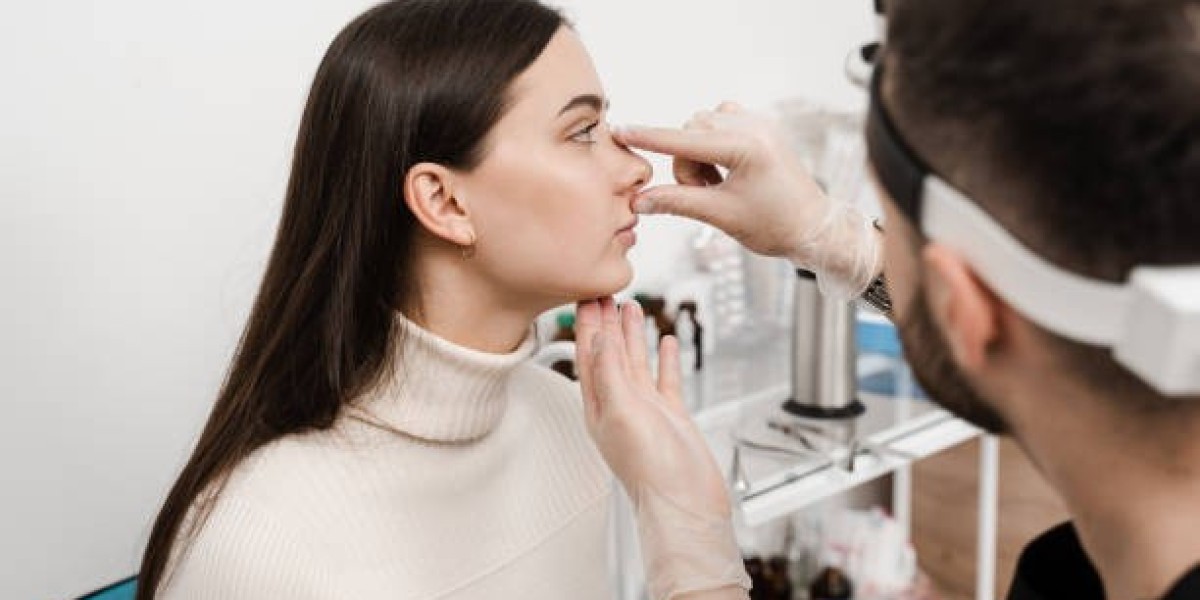

While the procedure itself is an important step toward achieving your desired results, proper aftercare plays an equally essential role in recovery. Following the right precautions can help manage swelling, reduce discomfort, and support the healing process. Understanding what to expect after Rhinoplasty in Riyadh can help you prepare for a more comfortable recovery and make informed decisions about your postoperative care.
Patients researching rhinoplasty riyadh price should also consider the importance of aftercare, follow-up appointments, and the overall treatment experience. Recovery requirements can vary depending on the surgical technique, individual health, and the complexity of the procedure. Knowing how to care for your nose after surgery helps you protect the surgical area, recognize potential complications, and follow your surgeon’s recommendations throughout the healing journey.
Why Is Rhinoplasty Aftercare Important?
After rhinoplasty, the nose and surrounding tissues need time to heal. Swelling, bruising, congestion, and mild discomfort are common during the initial recovery period. Proper aftercare helps minimize unnecessary pressure on the nose and allows the tissues to recover gradually.
Following your surgeon’s instructions is particularly important during the first few weeks. Avoiding activities that could disturb the healing tissues, attending scheduled checkups, and maintaining good general health can contribute to a smoother recovery. Remember that every patient heals differently, so comparing your progress with someone else’s experience may create unnecessary concerns.
Essential Tips for a Smooth Rhinoplasty Recovery
Keep Your Head Elevated
Keeping your head elevated, especially while sleeping, can help reduce swelling during the early recovery period. Use supportive pillows to keep your head above your chest while resting. Sleeping on your back is generally recommended to prevent accidental pressure on the nose.
Avoid sleeping on your side or stomach until your surgeon confirms that these positions are safe. Even minor pressure on the nose can interfere with healing, particularly during the initial weeks after surgery.
Follow Your Medication Instructions
Your surgeon may recommend medication to manage discomfort or address specific postoperative needs. Take prescribed medicines exactly as directed and never adjust the dosage without professional guidance.
Avoid taking aspirin, anti-inflammatory medicines, supplements, or herbal products unless your healthcare provider confirms they are appropriate. Some products can increase bleeding risk or interact with other medications.
Protect Your Nose From Accidental Injury
The nose remains sensitive during recovery, making protection essential. Avoid contact sports, strenuous physical activities, and situations that could cause accidental impact. Wear clothing that does not require pulling tight garments over your face, and ask your surgeon when it is safe to resume wearing glasses that rest on the nose.
If you experience an accidental impact or notice sudden changes in swelling, pain, or the shape of your nose, contact your healthcare provider promptly.
Maintain Gentle Hygiene
Keeping the surgical area clean helps support healing. Follow your surgeon’s instructions for cleaning your face, managing any nasal dressings, and using saline sprays if recommended. Do not remove splints, packing, or dressings yourself unless specifically instructed.
Avoid blowing your nose during the period recommended by your surgeon. If you need to sneeze, sneezing with your mouth open can help reduce pressure inside the nose.
What to Expect During Rhinoplasty Recovery
The First Week After Surgery
During the first week, swelling, bruising around the eyes, nasal congestion, and mild discomfort may occur. Your surgeon may use a splint to protect the nose and help maintain its position. Rest, follow your care instructions, and attend your scheduled follow-up appointment.
The Following Weeks
Bruising and noticeable swelling generally improve over the following weeks, allowing many patients to gradually return to everyday activities. However, strenuous exercise should be avoided until your surgeon approves it. The nose may remain sensitive, and some swelling can persist even when the initial recovery appears complete.
Long-Term Healing
The final shape of the nose develops gradually as the tissues settle. Subtle swelling, particularly around the nasal tip, may take several months or longer to resolve fully. Patience and consistent postoperative care are important for evaluating the final outcome.
Foods and Habits That Support Healing
A balanced diet containing protein, fruits, vegetables, and other nutrient-rich foods supports the body's normal healing processes. Drink adequate water and prioritize sleep to help maintain your overall well-being.
Avoid smoking and nicotine products because they can impair circulation and delay wound healing. Alcohol should also be avoided when it is unsafe with your medications or contrary to your surgeon’s instructions. Limiting excessive salt intake may help some patients manage fluid retention, although dietary changes cannot eliminate postoperative swelling on their own.
When Should You Contact Your Surgeon?
Although some swelling and congestion are expected, certain symptoms require prompt medical attention. Contact your healthcare provider if you experience persistent bleeding, increasing redness, worsening pain, fever, or unusual discharge. Seek urgent medical care for difficulty breathing, heavy bleeding, sudden vision changes, or severe symptoms.
Never hesitate to ask questions during recovery. Follow-up appointments allow your surgeon to assess healing, address concerns, and advise you about returning to your normal routine.
Frequently Asked Questions
How long does it take to recover from rhinoplasty?
Initial recovery often takes one to two weeks, although individual experiences vary. Swelling can continue for months, and the final results may take a year or longer to become fully apparent.
Can I return to work after rhinoplasty?
Many patients return to non-strenuous work within one to two weeks, depending on their recovery and the nature of their job. Follow your surgeon’s advice before resuming work or other daily activities.
When can I exercise after rhinoplasty?
Light walking may be encouraged early in recovery, but strenuous exercise, heavy lifting, and contact sports must be postponed until your surgeon confirms they are safe.
How can I reduce swelling after rhinoplasty?
Keeping your head elevated, resting, following medication instructions, and avoiding strenuous activities can help manage swelling. Do not apply ice directly to the nose or use treatments that have not been approved by your surgeon.
When will I see my final rhinoplasty results?
Early improvements may become noticeable as bruising and swelling subside. However, subtle swelling can persist for many months, so the final nasal contour may take a year or longer to develop.
Short Consultation at Enfield Royal Clinic
Choosing the right clinical team and following a personalized recovery plan are important parts of the rhinoplasty journey. Enfield Royal Clinic can be your starting point for learning about rhinoplasty, understanding the recovery process, and discussing your aesthetic or functional concerns with a qualified healthcare professional. Arrange a consultation to explore suitable treatment options, ask questions about postoperative care, and learn what to expect at each stage of recovery.