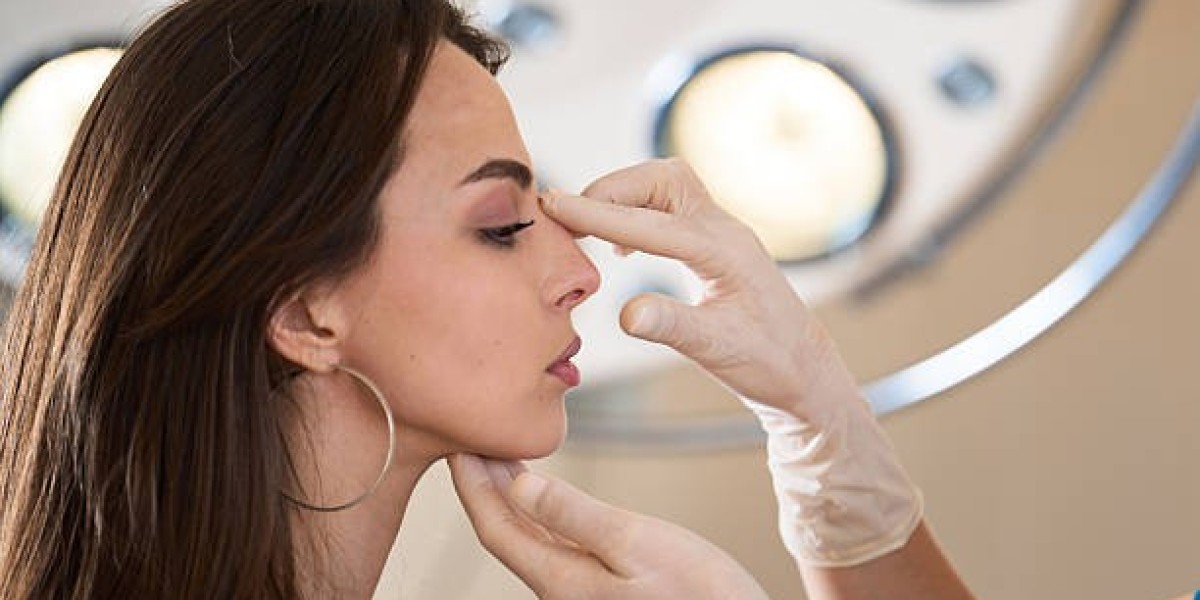

Keeping your nose clean after rhinoplasty is an important part of recovery. Following surgery, dried blood, mucus, swelling, and crusting may develop inside the nostrils, making normal breathing temporarily uncomfortable. However, the nose is sensitive during the early healing period, so cleaning it requires gentle care and the right techniques. Knowing what to use, what to avoid, and when to resume your usual hygiene routine can help protect healing tissues after Rhinoplasty in Riyadh (عملية تجميل الانف في الرياض).
Why Is Nasal Cleaning Important After Rhinoplasty?
Rhinoplasty involves changes to the nasal bones, cartilage, or surrounding tissues. During recovery, the body produces mucus and small amounts of blood or fluid, which may dry inside the nostrils and form crusts.
Gentle nasal care can help keep the nostrils comfortable, loosen dried secretions, and prevent excessive crust buildup. Saline products may also moisturise the nasal lining, particularly when breathing through the nose feels difficult.
Proper cleaning should not involve forceful pressure or disturbing healing tissues. The goal is to maintain comfort and hygiene while allowing the nose to recover naturally.
When Can You Start Cleaning Your Nose After Rhinoplasty?
The appropriate time to begin nasal cleaning depends on the surgical technique and your surgeon's instructions. Some patients are advised to start using saline spray soon after surgery, while others may need to wait or follow a more specific cleaning routine.
External cleaning around the nostrils may be permitted earlier than cleaning inside the nose. If you have internal splints, packing, or special dressings, you may need to follow additional precautions until your surgeon removes them.
Always confirm your postoperative instructions before introducing a new product or cleaning method. Do not begin nasal irrigation or insert anything into your nostrils unless your surgical team has approved it.
How to Clean Your Nose Safely After Rhinoplasty
A gentle approach is essential because the nasal tissues can be swollen and sensitive during early recovery.
Use Saline Spray as Directed
Sterile saline nasal spray is commonly recommended to moisturise the nasal passages and help loosen dried mucus. Use the product according to your surgeon's instructions, taking care not to direct the nozzle forcefully against healing tissues.
Saline may improve comfort, but it should not be used to flush the nose aggressively unless your surgeon has specifically approved irrigation.
Clean Around the Nostrils Gently
If dried blood or mucus is present around the outside of your nostrils, use a clean, soft gauze pad or tissue to dab the area gently. Follow your clinician's instructions about whether a saline-moistened pad is appropriate.
Avoid pulling at crusts or wiping with pressure. If secretions are firmly attached, allow the recommended saline product to soften them rather than trying to remove them manually.
Keep External Dressings Dry
If you still have a nasal splint or external dressing, follow your surgeon's instructions about keeping it dry. Do not lift the tape or clean underneath the splint yourself.
If the dressing becomes wet, loose, or displaced, contact your surgical team for guidance.
Wash Your Hands Before Nasal Care
Clean hands help reduce the risk of introducing bacteria around healing tissues. Wash your hands before using saline, touching the area around your nostrils, or handling any approved cleaning supplies.
Use clean materials each time and avoid sharing nasal sprays or other personal hygiene products.
What Should You Avoid When Cleaning Your Nose?
Some common hygiene habits can interfere with healing after rhinoplasty. During the early recovery period, avoid the following unless your surgeon gives specific instructions:
Blowing your nose forcefully: Pressure may disturb healing tissues or trigger bleeding.
Picking at crusts: Pulling dried blood or mucus can irritate the lining and cause bleeding.
Inserting cotton swabs or tissues deeply: These can injure delicate tissues or disturb internal supports.
Using unapproved products: Avoid alcohol, hydrogen peroxide, strong antiseptics, or medicated sprays unless prescribed or approved by your clinician.
Performing forceful nasal irrigation: Rinsing under pressure may be unsuitable during early healing.
Removing internal splints or packing yourself: These should be managed by your healthcare professional.
You should also avoid sneezing with your mouth closed if possible. Sneezing with your mouth open can help reduce pressure inside the nose. Follow your surgeon's advice regarding the duration of these precautions.
How Often Should You Clean Your Nose After Rhinoplasty?
The frequency of cleaning depends on your surgeon's postoperative protocol, the amount of crusting, and whether internal splints or packing are present. Some patients are advised to use saline spray several times a day, while others receive different instructions based on their procedure.
More cleaning is not necessarily better. Excessive wiping, repeated manipulation, or frequent irrigation can irritate healing tissues. Follow the recommended schedule and use only the amount of product advised by your surgical team.
If you are unsure whether a crust or secretion should be removed, ask your surgeon rather than trying to remove it yourself.
What Is Normal During Nasal Cleaning and What Is Not?
Mild crusting, congestion, and small amounts of blood-tinged mucus can occur during the early recovery period. These symptoms should generally become less noticeable as healing progresses.
However, contact your surgical team if you notice increasing pain, worsening blockage, persistent bleeding, fever, spreading redness, or discharge with an unpleasant smell. Heavy bleeding or significant breathing difficulty requires urgent medical assessment.
Do not assume that all nasal discomfort is caused by dryness or crusting. Your clinician can determine whether further examination or treatment is necessary.
When Can You Return to Your Normal Nasal Hygiene Routine?
Most patients gradually return to their usual hygiene routine as healing progresses, but the timing varies. Your surgeon will tell you when it is safe to blow your nose, resume irrigation if appropriate, and use other nasal products.
Even after the external splint has been removed, internal tissues may remain swollen and delicate. Continue using approved products and avoid forceful cleaning until you receive clearance.
For patients undergoing Rhinoplasty in Riyadh, following individualised aftercare instructions is important because the extent of surgery and the healing process can differ from one person to another.
Book a Rhinoplasty Consultation at Royal Clinic Saudia
At Royal Clinic Saudia (عيادات رويال كلينك), patients can discuss nasal hygiene, recovery expectations, and suitable aftercare following surgery. A consultation can help clarify which cleaning methods and products may be appropriate for your procedure. If you are considering Rhinoplasty in Riyadh, ask your medical team for clear postoperative instructions to help you care for your nose safely.
FAQs:
Can I use saline spray immediately after rhinoplasty?
Some surgeons recommend sterile saline spray soon after surgery, while others advise a different schedule. Follow the instructions provided by your surgical team before starting or changing nasal care.
When can I blow my nose after rhinoplasty?
Patients are often advised to avoid blowing their nose during the early healing period, sometimes for one to two weeks or longer. Your surgeon will determine when it is safe based on the procedure performed.
Is it normal to have dried blood inside my nose after rhinoplasty?
Yes. Small amounts of dried blood and mucus are common during early recovery. Use only approved cleaning methods, and do not pick or pull at crusts.
Can I use cotton swabs to clean inside my nose?
Do not insert cotton swabs deeply into your nostrils unless your surgeon specifically instructs you to do so. They can irritate healing tissues, cause bleeding, or disturb internal supports.









