
Although many people look forward to seeing their results, one of the most common questions before surgery is how soon they can return to work. Recovery time varies depending on the surgical technique, the complexity of the procedure, and individual healing. Understanding the recovery process can help you plan your time off, arrange support, and return to your daily routine with greater confidence.
If you are considering Rhinoplasty in Riyadh, planning your recovery is an important part of achieving a comfortable surgical experience. People researching rhinoplasty surgery in riyadh should understand that returning to work depends on more than just feeling well enough to resume normal activities. Bruising, swelling, nasal congestion, and the need to protect the healing nose can influence when it is appropriate to return to the workplace. Your surgeon will provide personalized guidance based on your procedure and progress.
How Soon Can You Return to Work After Rhinoplasty?
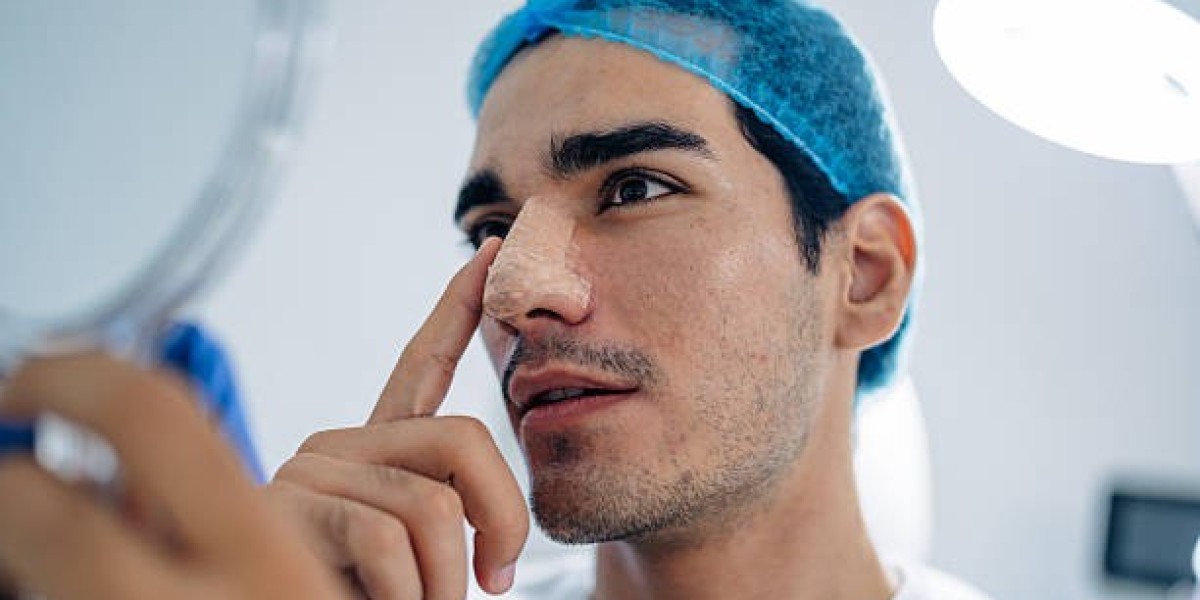
Many patients with desk-based jobs can return to work within seven to ten days after rhinoplasty, provided their recovery is progressing normally. However, some people may feel ready sooner, while others need additional time away from work. Visible bruising and swelling around the nose and eyes may still be present during the first week, which can affect personal comfort and confidence in professional settings.
Your recovery timeline also depends on whether you undergo an open or closed rhinoplasty and whether the procedure involves changes to the nasal structure or breathing passages. Following your surgeon's instructions is essential before resuming work or other regular responsibilities.
Returning to an Office or Remote Job
People who work from home or have desk-based responsibilities may find it easier to resume their duties because these jobs generally require limited physical effort. If discomfort is manageable and you are no longer experiencing significant effects from prescribed medication, you may be able to return to light tasks when your surgeon considers it appropriate.
Working remotely can also provide flexibility for rest breaks and follow-up appointments. Nevertheless, you should avoid pushing yourself too quickly, particularly during the first several days of recovery.
Returning to Physically Demanding Work
Jobs involving heavy lifting, frequent bending, strenuous movement, or prolonged physical activity may require a longer recovery period. These activities can increase blood pressure and potentially contribute to bleeding or swelling during early healing.
If your job involves construction, warehouse duties, fitness training, or other physically demanding tasks, discuss your responsibilities with your surgeon before returning. You may need additional time off or temporary adjustments to your workload.
What Happens During the First Week of Recovery?
The first week after rhinoplasty is generally focused on rest, swelling management, and protecting the nose. You may experience congestion, mild discomfort, bruising, and difficulty breathing through your nose while internal tissues heal. Keeping your head elevated, following medication instructions, and avoiding activities that could injure the nose can support recovery.
Your surgeon may schedule a follow-up appointment to assess healing and remove an external splint when appropriate. Even if you feel comfortable returning to normal activities, your nose will remain delicate, so avoid pressure, accidental impacts, and unnecessary strenuous movement.
Factors That Affect Your Return-to-Work Timeline
Several factors influence how quickly you can resume your professional routine. The extent of surgery is important because more complex procedures may involve additional swelling and a longer healing period. Your overall health, individual healing response, sleep quality, and adherence to postoperative instructions can also affect recovery.
The nature of your workplace matters as well. A quiet office environment may be easier to manage than a job involving dust, heat, physical exertion, or frequent contact with other people. Planning adequate recovery time before surgery can help you avoid unnecessary stress and focus on healing.
Tips for Returning to Work Comfortably
Prepare for your recovery by arranging time off, organizing important tasks in advance, and asking for temporary flexibility if needed. Choose comfortable clothing that does not need to be pulled tightly over your head, especially while your nose is sensitive. Stay hydrated, eat balanced meals, and follow your surgeon's advice regarding rest and activity.
Avoid blowing your nose, wearing glasses that place pressure on the healing nasal bridge, or engaging in strenuous exercise until you receive medical clearance. If you notice increasing pain, persistent bleeding, fever, or sudden changes in vision, contact your healthcare provider promptly. Severe bleeding or sudden vision changes require urgent medical assessment.
Frequently Asked Questions
Can I return to work three days after rhinoplasty?
Some people may feel physically comfortable after three days, but this is generally earlier than the typical return-to-work period. Swelling, bruising, and fatigue may still be noticeable. Follow your surgeon's advice before resuming professional responsibilities.
Will my coworkers notice that I have had rhinoplasty?
They may notice bruising, swelling, or a nasal splint during the first week. The visibility of these signs varies between individuals. If appearance is a concern, consider planning your return after the most noticeable early symptoms have improved.
Can I work from home after rhinoplasty?
Remote work may be possible within the first several days if you feel well enough and your surgeon approves. Keep your schedule flexible, take regular breaks, and prioritize rest rather than trying to maintain your usual workload immediately.
When can I resume exercise after rhinoplasty?
Light activity and strenuous exercise have different recovery timelines. Walking may be encouraged early, depending on your surgeon's instructions, while intense workouts and heavy lifting often need to be postponed for several weeks. Resume exercise gradually only after medical clearance.
How can I make my rhinoplasty recovery easier?
Follow postoperative instructions, attend follow-up appointments, sleep with your head elevated as advised, and avoid activities that could put pressure on your nose. Allow yourself sufficient time off work instead of rushing the healing process.
Schedule Your Rhinoplasty Consultation
Understanding your recovery timeline before surgery can help you plan your work commitments and prepare for a smoother experience. At Enfield Royal Clinic, patients can seek information about rhinoplasty, discuss their aesthetic or functional concerns, and learn what to expect before and after the procedure. Schedule a consultation to discuss your goals, receive personalized recovery guidance, and determine an appropriate time to return to work based on your individual needs.