
Ever have one of those stretches where nothing feels right? You're sleeping enough, technically. But you're still dragging yourself through the day. Your drive in the bedroom and everywhere else has quietly faded. And your brain just... isn't as sharp as it used to be.
Most people chalk this up to stress or getting older. Sometimes that's true. But there's another possibility worth considering: low testosterone. It's more common than people think, and it's often overlooked because the symptoms don't scream "hormone problem." They just feel like life is getting harder.
Testosterone Does More Than You'd Think
People hear "testosterone" and think muscle and libido. Fair enough it's involved in both. But it also plays a real role in your energy levels, your mood, and even how clearly you think. That's why a drop in testosterone can feel less like one specific symptom and more like a general sense that something's off.
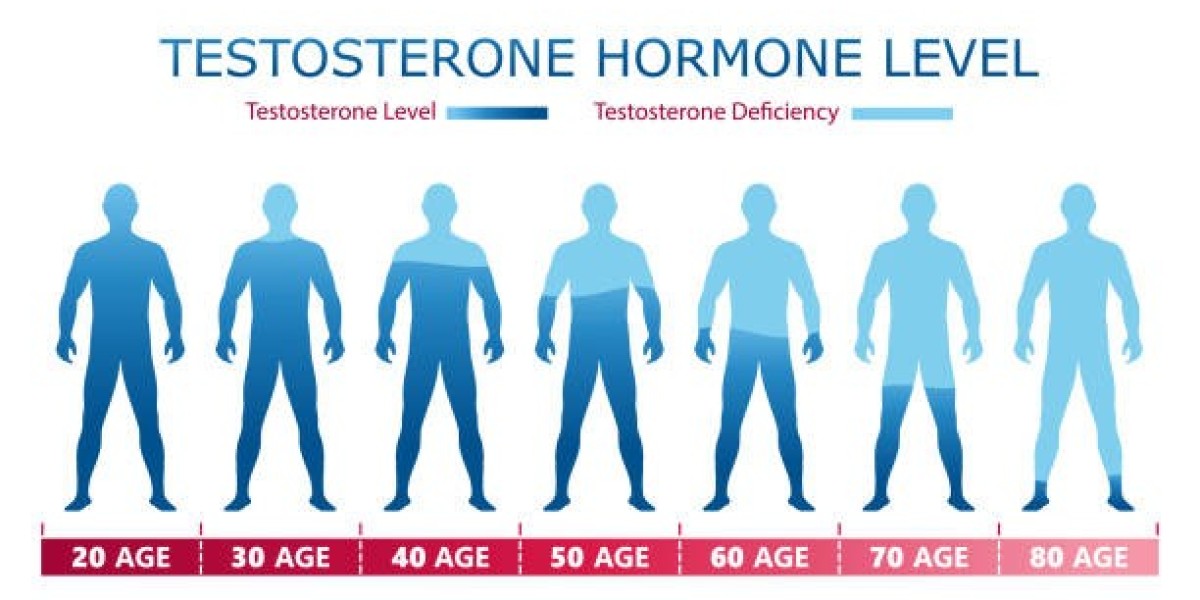
Levels drop naturally with age, usually a small percentage each year after 30. For most guys, that's manageable. For others, it drops enough to actually disrupt daily life, and that's when Testosterone treatment starts to become a real conversation.
The Symptoms Nobody Connects
Here's the tricky part: low testosterone rarely shows up as one clear sign. It's usually a handful of smaller things that pile up:
- You're tired all the time, even after sleeping well
- Your interest in sex has dropped off
- You're forgetting things or struggling to focus the classic brain fog.
- You feel irritable or just... flat
- You're losing muscle, gaining fat, despite no real change in habits
- Sleep itself feels worse, even though you're in bed long enough
None of these alone would make someone think "hormones." But together, they start to form a pattern.
Why the brain fog happens: Testosterone actually interacts with brain chemistry tied to focus and memory. When levels fall, a lot of men describe it less as "can't think" and more as "everything takes more effort than it should."
Why libido takes a hit: This one's more direct testosterone is closely tied to sexual desire. When it drops, interest can drop with it, and for some men, performance issues follow too.
So How Do You Actually Know?
You don't guess. You test. A testosterone blood test is the only real way to confirm what's going on, and it's simpler than people expect.
A few things worth knowing before you get one done:
- Get tested in the morning testosterone peaks between roughly 7 and 10 a.m., so that's when results are most accurate.
- One test usually isn't enough if your first result comes back low, most doctors will want a second one to confirm it.
- Ask about both total and free testosterone free testosterone reflects what your body can actually use not just what's floating around.
If the numbers come back low and your symptoms line up, that's usually when treatment enters the conversation.
What Testosterone Treatment Actually Looks Like
There isn't just one way to do this. Depending on your lifestyle and preferences, options usually include:
- Injections, typically every one to two weeks
- Gels or creams, applied daily
- Patches, worn on the skin
- Pellets, inserted under the skin for a slow, steady release over months
None of these is universally best it really comes down to what fits your routine and what your doctor recommends based on your levels and health history.
Before Your Appointment
A few practical things that actually help:
- Keep a rough log of your symptoms for a couple of weeks
- Specifically ask for a morning testosterone blood test
- Mention lifestyle factors sleep, stress, workouts, since they affect hormone levels too
- Don't self-diagnose off symptoms alone; get the bloodwork
The Bottom Line
Constant fatigue, a fading libido, and a foggy brain aren't just "part of getting older." Sometimes they're your body flagging a hormone imbalance that's very treatable. A Testosterone blood test gives you a real answer instead of a guess, and for the men who need it, testosterone treatment can genuinely bring back the energy and clarity they thought they'd lost. If any of this sounds familiar, the next move isn't more guessing it's a conversation with your doctor.