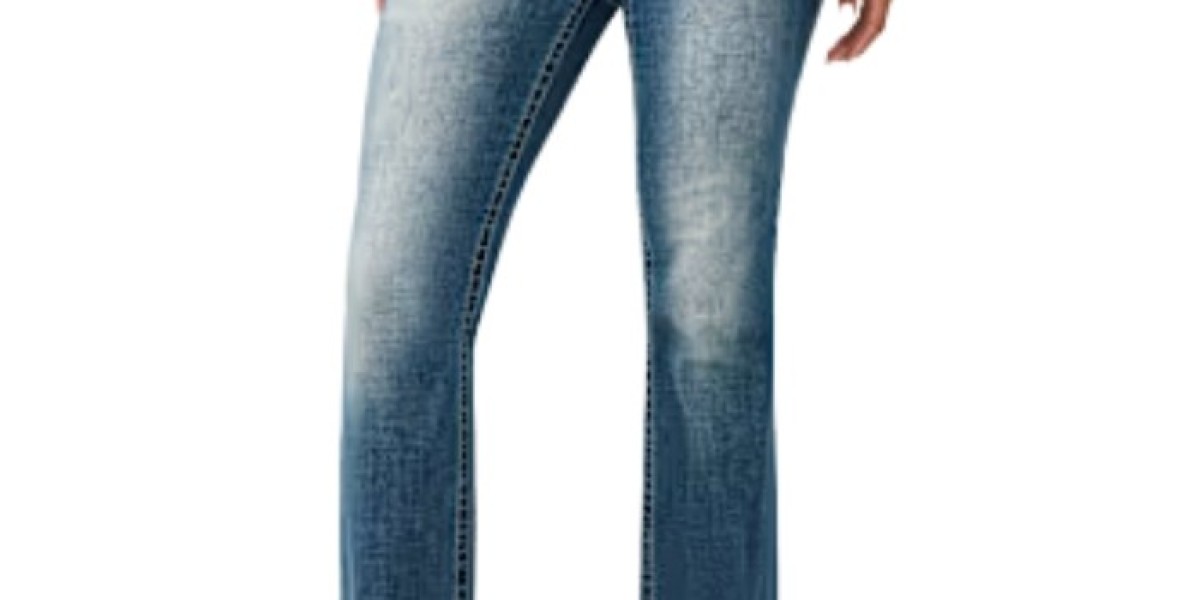

The True Religion Horseshoe Logo is one of the most recognizable details associated with True Religion clothing, especially its jeans, denim jackets, hoodies, and other casualwear. Because the horseshoe appears on many products, checking its details can be useful when you are trying to determine whether a piece looks consistent with genuine True Religion construction.
A logo check should never rely on one detail alone. Stitching, proportions, placement, labels, fabric, hardware, and overall construction should all make sense together. A careful inspection can help you spot obvious inconsistencies before buying or reselling a garment.
What Is the True Religion Horseshoe Logo?
The True Religion jeans horseshoe logo is a signature visual element associated with True Religion. It commonly appears on the back pockets of True Religion Jeans, although its placement can vary depending on the garment and collection.
On denim, the logo may be created through embroidery or stitching. The exact appearance can change between different releases, washes, colors, and production periods. This means you should not expect every genuine pair to have precisely the same thread color or stitching pattern.
The important point is consistency. The logo should look professionally produced and properly integrated into the garment.
Check the Horseshoe Shape
Start by looking closely at the actual shape of the horseshoe.
A genuine looking logo should have a balanced appearance. The two sides should generally look intentional rather than uneven or poorly formed. Pay attention to the curve, spacing, and overall proportions.
Poor imitations may show a horseshoe that looks too narrow, too wide, crooked, or poorly centered. The curves can also appear irregular when the embroidery machine or stitching quality is not comparable to factory production.
However, minor differences do not automatically mean a garment is fake. Different True Religion Jeans releases can have variations in logo treatment, so the logo should be considered alongside other details.
Inspect the Stitching
Stitching is one of the most useful areas to inspect when checking the True Religion Horseshoe Logo.
Look at the individual threads around the horseshoe. The embroidery should generally appear controlled and deliberate. Loose threads, messy edges, inconsistent spacing, or sections where the stitching looks thin can be warning signs.
Check the reverse side of the pocket as well. Turn the garment inside out and examine the embroidery backing. Poor construction may become more obvious from the inside than from the front.
Also consider the fabric itself. Heavy denim can support dense embroidery, while thinner fabrics may use a different construction. The logo should look appropriate for the material used.
Look at Logo Placement
Placement can provide another useful clue.
On jeans, examine whether the horseshoe sits naturally on the back pocket. Compare its position with the pocket seams and surrounding stitching. A logo that looks noticeably crooked, unusually low, or poorly aligned deserves closer inspection.
Remember that pocket shapes and logo positions can differ across styles. Therefore, placement alone should not determine whether a garment is genuine.
Instead, look for obvious production mistakes combined with other inconsistencies.
Examine the Logo Size
Logo proportions matter as well.
Look at the relationship between the horseshoe and the pocket. If the logo appears extremely large or unusually small for the garment, investigate further.
The best way to judge size is to compare the entire garment with reliable product information from the same model or release. Comparing completely different True Religion Jeans styles can lead to incorrect conclusions because pocket dimensions and embroidery designs can vary.
Check the Logo Color
Thread color is another detail worth examining.
True Religion has produced garments using different denim washes and contrasting embroidery colors. Therefore, there is no single horseshoe thread color that applies to every item.
Instead of asking whether the color is simply right or wrong, consider whether the thread quality and color application look consistent with the garment.
Faded denim may also make embroidery appear different from how it looked when new. Age, washing, sunlight, and regular wear can change both fabric and thread appearance.
Inspect the Pocket Construction
Do not focus only on the horseshoe.
Look closely at the entire back pocket. Examine the stitching around the pocket edges, the denim quality, thread tension, and how the pocket is attached.
A convincing logo placed on poorly constructed denim can still raise questions. Genuine garments typically show consistency between the logo, pocket construction, seams, and overall finishing.
Pay particular attention to areas where multiple stitching lines meet. Uneven seams or careless finishing can be easier to notice there.
Check the Tags and Labels
The horseshoe logo is only one part of an authenticity check.
Inspect the inside tags and labels carefully. Look at the typography, spacing, printing quality, stitching, and information shown on the label.
A label that contains obvious spelling mistakes, poor printing, strange fonts, or careless stitching deserves additional attention.
Do not rely on one tag either. Tags can vary depending on the product, manufacturing period, and garment type.
Examine Hardware and Construction
For True Religion Jeans, inspect buttons, rivets, zippers, and other hardware.
Look for clean engraving, consistent finishing, and solid attachment. Hardware should not appear excessively light, poorly finished, or loosely attached without a reasonable explanation.
Also inspect the belt loops, waistband, inseam stitching, and hems. These details help create a broader picture of the garment's construction.
Compare Multiple Details Together
One of the biggest mistakes people make when checking the True Religion Horseshoe Logo is relying on a single feature.
A better approach is to create a complete checklist:
- Horseshoe shape
- Embroidery quality
- Thread consistency
- Logo placement
- Pocket construction
- Inside labels
- Hardware
- Denim quality
- Overall stitching
- Product style and production details
When several areas look inconsistent at the same time, the garment deserves much more scrutiny.
Why Logo Checks Can Be Difficult
Older True Religion products and newer releases may not share identical labels, embroidery, hardware, or construction methods.
Used clothing can also show significant changes caused by washing and everyday wear. Threads can fade, denim can shrink, labels can become worn, and embroidery can loosen over time.
For this reason, an authenticity check should consider the age and condition of the garment. A worn horseshoe logo should not automatically be treated as evidence of a counterfeit item.
Final Thoughts
Checking the True Religion Horseshoe Logo requires more than looking at the horseshoe itself. Examine its shape, embroidery, placement, stitching, pocket construction, labels, hardware, and overall garment quality.
The strongest approach is to consider several details together rather than making a decision from one visual feature. If you are buying secondhand True Religion Jeans, taking a few extra minutes to inspect these areas can help you identify obvious inconsistencies and make a more informed decision.
FAQs
How can I check the True Religion Horseshoe Logo?
Inspect the horseshoe shape, embroidery, stitching, placement, pocket construction, labels, and other garment details together.
Should the True Religion Horseshoe Logo always look identical?
No. Logo treatments can vary between different garments, styles, releases, and production periods.
Is the horseshoe logo enough to verify authenticity?
No. The logo is only one part of an authenticity check. Labels, stitching, hardware, fabric, and overall construction should also be examined.