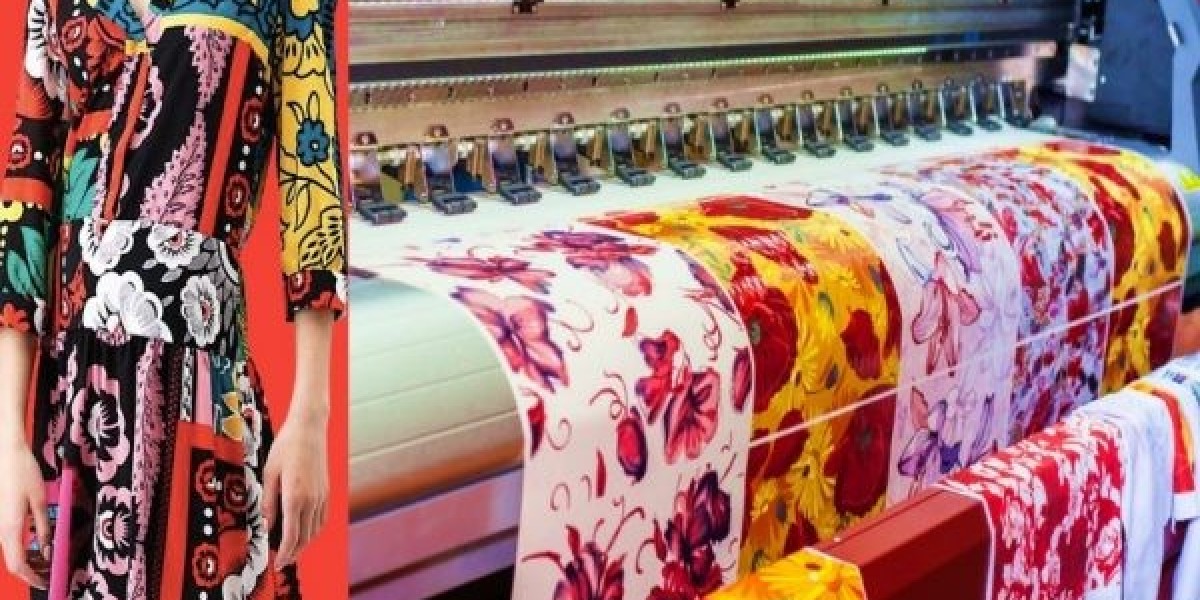

Digital printing on fabric is a modern textile printing method in which designs are printed directly onto fabric using specialized inkjet printing equipment. Unlike traditional printing methods that often require screens, rollers, or engraved cylinders, digital technology transfers a computer-created image onto the textile with precise control over color and detail. This makes it useful for clothing, home furnishings, promotional materials, interior decoration, and custom textile products.
The growth of digital printing on fabric has changed how designers and manufacturers approach textile decoration. Complex artwork, photographs, gradients, small patterns, and customized designs can be produced without creating separate screens for every color. This makes the process particularly useful when manufacturers need short production runs, quick sampling, personalized products, or frequent design changes.
What Is Digital Fabric Printing?
Digital textile printing works much like an advanced inkjet printer, but the printing system is designed specifically for textiles. The fabric is prepared, fed through the printer, and printed with tiny droplets of ink controlled by digital instructions.
The printer receives an image file from design software. During printing, the printhead places ink onto specific areas of the fabric according to the digital artwork. The type of ink depends largely on the fiber content and the required performance of the finished textile.
Digital printing is not one single ink technology. Common systems include reactive, pigment, acid, and dye-sublimation printing. Each has different applications and processing requirements.
Reactive Printing
Reactive inks are commonly used for cellulose-based fabrics such as cotton, linen, and viscose. The ink chemically reacts with the fibers during processing, producing strong color penetration and good wash durability. After printing, the fabric generally requires steaming and washing to develop and remove unfixed materials.
Pigment Printing
Pigment inks can be used on a wide range of textiles because the colorant sits on the surface with the help of a binder. Depending on the system, pigment printing can reduce the need for extensive post-printing washing. It is suitable for applications where versatility and simpler processing are important.
Dye-Sublimation Printing
Dye-sublimation is mainly associated with polyester fabrics. The design is usually printed onto transfer paper and then transferred to polyester using controlled heat and pressure. The dye turns into a gas and bonds with the polyester fibers. This method is widely used for sportswear, flags, soft signage, and other polyester-based products.
Acid Printing
Acid dyes are commonly used for fabrics such as silk, wool, and some polyamide textiles. The process can produce bright colors and detailed designs, making it valuable for fashion fabrics and other specialty applications.
How Does Digital Printing on Fabric Work?
The quality of the finished product depends on more than the printer itself. Several stages contribute to the final result.
1. Artwork Preparation
The process begins with digital artwork. Designers normally work with professional graphics software and prepare the image according to the required fabric width, repeat pattern, resolution, and color specifications.
High-resolution artwork is important when the design contains fine details. Poor-quality source files can produce blurred or pixelated results regardless of the printer's capabilities.
2. Fabric Preparation
The textile must be compatible with the selected printing technology. Depending on the ink system, the fabric may need pretreatment to improve ink absorption and color development.
The fabric should also be clean, evenly tensioned, and free from excessive moisture or contamination. Proper preparation helps prevent problems such as uneven color, bleeding, and registration errors.
3. Printing
During printing, computer-controlled printheads deposit very small ink droplets onto the textile. Modern equipment can control droplet size and placement accurately, allowing detailed images, smooth gradients, and multiple colors to be reproduced.
4. Fixation and Finishing
After printing, the ink must be fixed appropriately. Reactive printing may involve steaming and washing, while pigment printing typically uses heat to cure the binder. Dye-sublimation uses heat during the transfer stage.
Finishing may also include washing, drying, calendaring, coating, or other treatments depending on the final application.
Key Benefits of Digital Printing on Fabric
Excellent Design Detail
Digital printing can reproduce fine lines, photographic images, subtle gradients, and complicated patterns without the color separation limitations associated with many conventional processes.
Cost-Effective for Short Runs
Traditional textile printing can involve significant setup costs. Digital printing eliminates the need for physical screens in many applications, making smaller quantities more economical.
This is useful for independent fashion brands, interior designers, sample development, and customized products.
Faster Sampling
A designer can modify a digital file and produce a new sample without preparing an entirely new set of screens. This shortens the development cycle and allows manufacturers to test designs before committing to large production quantities.
Personalization
Digital technology supports variable designs and customized production. Different images can be printed during the same production session, which is useful for personalized clothing, home décor, accessories, and promotional products.
Efficient Use of Materials
Digital printing applies ink primarily where the design requires it. It does not automatically make every production process environmentally friendly, because energy, pretreatment, washing, ink chemistry, and fabric choice still matter. However, digital production can reduce some setup-related waste and make smaller, more targeted production possible.
Common Applications
Digital fabric printing is used across several industries.
Fashion: Designers use it for dresses, shirts, scarves, jackets, and other garments that require detailed or customized patterns.
Home textiles: Curtains, cushions, upholstery fabrics, bedding, and decorative textiles can feature digitally printed artwork.
Sportswear: Polyester-based digital printing is widely used for team uniforms and performance apparel where individual names, numbers, logos, or full-color graphics are required.
Interior decoration: Printed wall textiles, decorative panels, and custom fabrics allow designers to create coordinated interior schemes.
Promotional products: Flags, banners, fabric displays, and event graphics can be produced in relatively small quantities.
Common Challenges and Considerations
Digital printing offers considerable flexibility, but it is not automatically the best choice for every textile order.
Fabric Selection
The fiber type must match the ink technology. A printing method designed for polyester will not necessarily produce the desired result on cotton or silk.
Color Management
Colors displayed on a computer screen can differ from printed results. Professional production often requires color profiling, calibrated equipment, and physical samples to achieve consistent output.
Fabric Pretreatment
Some technologies require specific pretreatment. Incorrect preparation can cause weak colors, poor ink penetration, bleeding, or reduced durability.
Production Volume
Digital printing is particularly attractive for samples, customized work, and short or medium production runs. For very large orders with simple repeating designs, conventional printing methods may still provide economic advantages.
Durability Requirements
The intended use of the textile should determine the printing method. Clothing that will be repeatedly washed, outdoor signage exposed to sunlight, and decorative fabric used indoors have different durability requirements.
Practical Tips for Better Results
Start by selecting the fabric before choosing the printing technology. Test a small sample to evaluate color, hand feel, sharpness, and durability.
Use high-quality artwork and establish color standards before production. If accurate color matching is important, approve a physical strike-off or sample rather than relying only on a computer monitor.
It is also important to consider the complete production process. Ink selection, pretreatment, fixation, washing, drying, and finishing can all affect the appearance and performance of the final fabric.
Frequently Asked Questions
1. What is digital printing on fabric?
It is a textile printing method that uses digitally controlled inkjet equipment to apply designs directly onto fabric or onto transfer media, depending on the printing technology.
2. Which fabrics can be digitally printed?
Many fabrics can be digitally printed, including cotton, polyester, silk, wool, viscose, linen, and polyamide. The suitable ink and process depend on the fiber type.
3. Is digital fabric printing durable?
It can be highly durable when the correct ink, fabric preparation, fixation, and finishing process are used. Durability also depends on washing, abrasion, sunlight, and the textile's intended use.
4. Is digital printing suitable for small orders?
Yes. Small production runs are one of its major advantages because designs can be printed without creating traditional screens for each job.
5. Is digital printing better than traditional textile printing?
Neither method is universally better. Digital printing offers strong advantages for customization, detailed artwork, sampling, and shorter runs. Traditional methods can remain more economical for certain high-volume orders.
Conclusion
Digital printing on fabric provides textile manufacturers and designers with a flexible way to produce detailed, customized, and visually complex designs. Its ability to work with digital artwork reduces setup requirements and makes short production runs more practical. Different ink technologies allow the process to be adapted to materials ranging from cotton and silk to polyester.
Successful fabric printing depends on choosing the correct combination of textile, ink, pretreatment, printing equipment, fixation, and finishing. When these factors are properly matched, digital printing can deliver sharp designs, consistent color, and suitable durability for applications ranging from fashion and home décor to sportswear and promotional textiles.