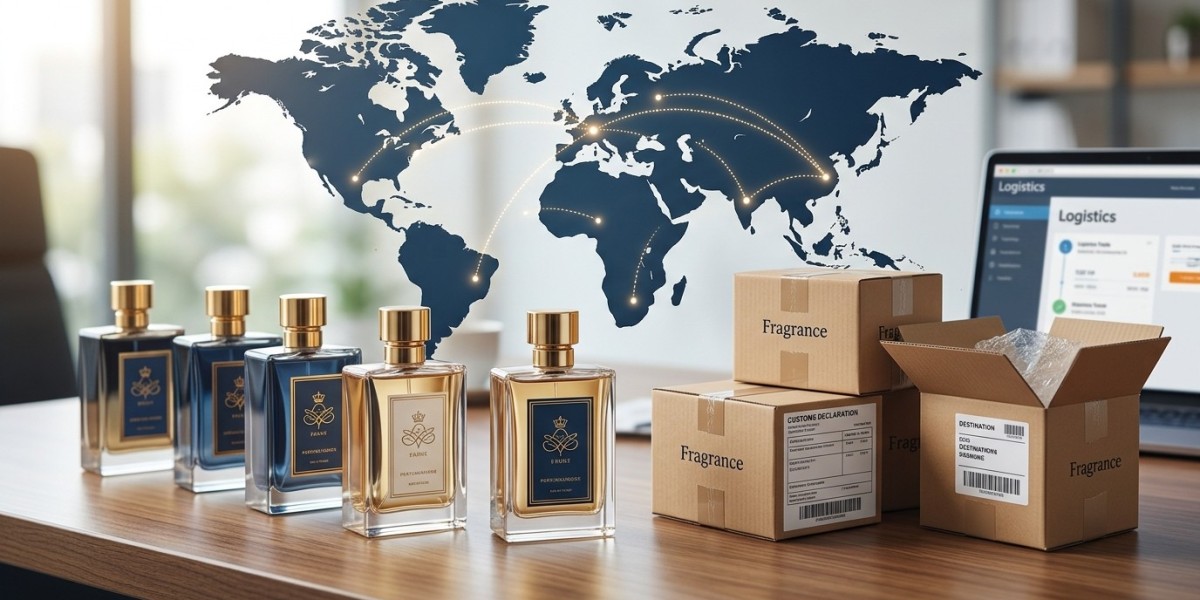

Expanding your fragrance brand into global markets gives USA-based merchants a direct path to high-spending luxury beauty shoppers across Europe, Asia, and the Middle East. Yet, scaling your daily order volume without running into severe carrier rejections remains a steep operational challenge. You spend months formulating signature top notes, sourcing custom glass atomisers, and launching high-converting ad campaigns. But the moment a foreign customer clicks buy, the physical logistics of moving alcohol-based liquids takes over. Fine fragrances contain high concentrations of ethyl alcohol, which legally classifies them as Class 3 flammable liquids under US Department of Transportation (US DOT), Civil Aviation Authority (CAA), and International Air Transport Association (IATA) regulations. Trying to send these orders through standard postal channels without proper hazard declarations leads to impounded pallets, heavy fines, and suspended merchant accounts.
We know how frustrating it is to watch a promising international scent launch stall because a local courier refuses to accept your packages at an airport sorting hub. Standard logistics facilities regularly reject liquid beauty products because they lack fire-rated chemical storage areas, spill containment systems, and trained dangerous goods handlers. Balancing fast customer delivery with international transport codes isn't easy, but setting up a compliant fulfillment process fixes these friction points permanently. Once you establish the right packaging protocols, documentation workflows, and courier partnerships, your orders will move through border checks effortlessly.
Why Is Shipping Perfume Overseas So Heavily Regulated?
The core reason shipping perfume overseas is so heavily regulated is that alcohol-based formulations can release flammable vapors or leak under the extreme atmospheric pressure drops and temperature swings of commercial air transport. Transport authorities enforce strict protocols to protect aircraft cargo holds, postal handlers, and port facilities from chemical fire hazards. Every international parcel must display verified hazard diamond labels, proper shipping names, and UN 1266 hazard identification numbers.
When you set up an international distribution network, you must establish active dangerous goods contracts with global carriers like FedEx, UPS, or DHL before dispatching cargo. Air freight screeners use automated X-ray scanners to identify undeclared liquids inside international mail. If a package lacks the required dangerous goods declarations or safety data sheets, customs agents will quarantine or destroy the shipment without compensation. Building a verified hazardous logistics workflow protects your inventory investment and keeps your delivery timelines on schedule.
How Does a Dedicated 3PL Accelerate Your Global Expansion?
Outsourcing your warehousing and distribution to a specialist handling perfume 3PL fulfilment gives your business instant access to dangerous goods certifications, volume shipping discounts, and compliant infrastructure. Instead of spending capital upgrading your own building with specialized fire suppression permits, you plug into an established distribution network. Trained warehouse teams pick, pack, and label your glass bottles according to UN 1266 hazmat standards, ensuring every package clears carrier audits on the first pass.
A specialized logistics partner also protects your formula stability and presentation. Fragrance bottles need climate-controlled warehousing to prevent extreme heat from breaking down top scent notes or causing cap leaks. Dedicated fulfillment teams handle custom unboxing assets like branded tissue, custom inserts, and crush-proof outer boxes with precision. This operational standard keeps damage rates near zero while delivering a luxury experience directly to your buyer's front door.
What Are the Red Flags When Sourcing Overseas Bottles and Packaging?
The main red flags when sourcing overseas bottles and packaging include missing chemical safety data sheets, inconsistent bottle neck crimps, thin glass mouldings, and uncertified outer boxes. From a USA-based brand perspective, importing glass components or pre-filled fragrances from overseas factories requires strict quality control before shipping inventory to your fulfillment hub.
Always demand an up-to-date, 16-section Safety Data Sheet (SDS) from your manufacturer verifying the exact flash point and alcohol percentage of the liquid. Inspect sample glass bottles under pressure changes to confirm that the atomizer crimp maintains an airtight seal. Weak pump seals leak when exposed to low cargo hold pressures during flight, ruining outer packaging and inviting carrier penalties. Working with suppliers who fail to provide certified drop-test reports puts your entire inventory at risk during import checks.
How Do You Safely Bundle Fragrances With Leather Goods and Apparel?
You safely bundle fragrances with leather goods and apparel by isolating the liquid bottle inside a sealed, leak-proof secondary barrier before placing it next to textiles inside the outer box. Cross-selling signature scents alongside premium cotton shirts, denim jackets, or leather handbags increases average order value significantly. However, placing porous fabrics in the same box as alcohol-based liquids creates a major risk of product ruin if a glass bottle breaks in transit.
If a glass atomizer fractures during rough handling, concentrated alcohol will permanently stain leather finishes and discolor dyed fabrics, generating costly return claims. To prevent this, seal each fragrance bottle inside a heavy-duty plastic pouch containing absorbent spill materials capable of soaking up the entire liquid volume. Place that sealed unit into a rigid inner box before packing it alongside the apparel in the outer carton. The soft garments provide extra shock absorption while the liquid remains completely isolated from your textile products.
Cross-Border Logistics Compliance & Transport Matrix
A quick operational comparison shows how different shipping channels manage alcohol-based fragrance orders for global distribution.
| Destination Region | Primary Governing Body | Hazardous Document Required? | Packaging Standard |
|---|---|---|---|
| United Kingdom | UK CAA / ADR Rules | UN 1266 Class 3 Diamond & SDS | Combination Box with LQ Diamond |
| European Union | ECHA / ADR Transport | Dangerous Goods Declaration | UN-Certified Box (PI 355) |
| North America (Domestic) | US DOT / 49 CFR | No (If under Limited Quantity) | Rigid Outer Box with LQ Mark |
| Asia-Pacific Air Freight | IATA / ICAO | Yes (Strictly Mandated) | UN 4G/4GV Rated Packaging |
How Do Limited Quantity Provisions Reduce Global Shipping Overhead?
Limited quantity provisions reduce global shipping overhead by allowing small consumer-sized perfume bottles to travel via ground road networks without expensive full hazmat paper fees. Under US DOT and European ADR guidelines, alcohol-based liquids packed in individual containers under specific volume limits qualify for simplified surface transport rules. This exemption streamlines daily packing operations while lowering carrier fees.
To use this exception legally, your outer packaging must feature the distinct black-and-white diamond mark on a flat vertical surface. While full UN-certified specification boxes are not required for ground shipments under limited quantity rules, outer cartons must still survive compression and drop tests. Leveraging limited quantity ground shipping for domestic and regional delivery legs keeps freight costs low while maintaining total legal compliance.
Frequently Asked Questions (FAQs)
1. Can I ship alcohol-based perfume overseas using standard postal air mail?
No, shipping alcohol-based perfumes via standard postal air mail is illegal under international aviation safety regulations. Flammable liquids require certified dangerous goods couriers with approved hazard contracts.
2. What is the UN number for perfume and fragrance shipments?
The United Nations identification number assigned specifically to perfumery products containing flammable solvents like ethyl alcohol is UN 1266.
3. What is the correct HS code for exporting perfume internationally?
The universal Harmonized System code for retail perfumes and toilet waters is HS Code 3303.00, which foreign customs agencies use to calculate import duties and local taxes.
4. How does altitude affect liquid fragrance bottles during air flights?
Decreased cargo hold pressure during flight causes air and liquid inside sealed bottles to expand, which can trigger cap leaks or glass breakage if the container is poorly sealed.
Build a High-Growth Global Fragrance Logistics Strategy
Expanding your fragrance brand into international markets is one of the most effective ways to accelerate long-term revenue growth. Securing leak-proof packaging, mastering carrier regulations, protecting cross-sold apparel, and vetting overseas suppliers transforms your logistics operations into a dependable growth driver. When your compliance infrastructure runs smoothly, your business can scale confidently into high-value foreign markets.
At Ship-Perfume, we provide complete, compliant, and reliable international fragrance fulfillment services. We handle strict hazmat packing rules, dangerous goods declarations, and border clearances so you can focus on expanding your global brand. Contact Ship-Perfume today to optimize your logistics operations and scale your overseas deliveries with total confidence.