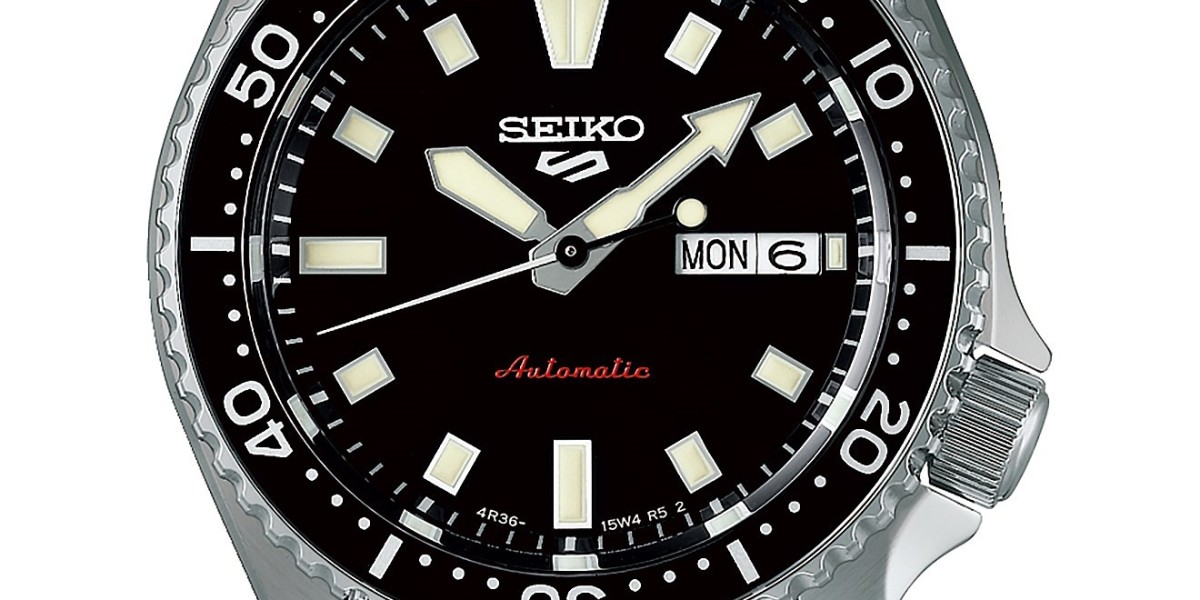

While plenty of watch enthusiasts focus on current catalogs, a growing number of collectors have turned their attention to vintage Seiko. Decades-old pieces from the 1960s through the 1980s regularly surface at estate sales, online auctions, and secondhand markets, often at prices far lower than comparable vintage Swiss watches. For collectors willing to do a bit of homework, vintage Seiko offers a genuinely rewarding entry point into serious watch collecting.
Why Vintage Seiko Appeals to Collectors
Part of the appeal comes down to sheer engineering quality relative to price. Seiko Watches has manufactured the vast majority of its own components in-house for most of its history, which means vintage pieces were built with the same attention to detail as the company's flagship models of the era, not stripped-down budget versions. That's a big part of why so many vintage Seiko watches from decades ago still run accurately today, often after nothing more than a routine service.
There's also historical significance built into many vintage models. Seiko watches from the late 1960s and early 1970s represent a pivotal period in horological history, coinciding directly with the release of the Astron in 1969, the world's first quartz wristwatch. Owning a mechanical Seiko from just before or after that release offers a tangible connection to a moment that reshaped the entire watch industry.
Key Eras Worth Knowing
Collectors often organize vintage Seiko interest around a few distinct periods. Watches from the 1960s tend to feature relatively simple, elegant dress-watch styling, with clean dials and modest case sizes reflecting the fashion norms of the time.
The late 1960s through the 1970s saw a surge of more distinctive designs, including early dive watches and chronographs that have since become highly sought after. Certain models from this era, prized for their unusual case shapes or dial layouts, now command significant premiums among dedicated collectors.
The 1970s and into the early 1980s also mark the period when quartz technology matured rapidly within Seiko's lineup. Watches from this window offer an interesting glimpse into how quickly the company iterated on the Astron's original breakthrough, refining accuracy and reducing costs at a remarkable pace.
What to Inspect Before Buying
Buying vintage watches always carries more risk than buying new, and Seiko is no exception. Before purchasing, it's worth checking a few key details.
Dial condition matters enormously to long-term value. Look closely for signs of water damage, excessive fading, or amateur refinishing, since an original, well-preserved dial is typically far more desirable than one that's been altered.
Case condition is equally important. Over-polishing, a common issue with vintage watches that have been serviced carelessly over the years, can soften original case lines and reduce both authenticity and value. Sharp, well-defined edges usually indicate a case that hasn't been aggressively reworked.
Movement functionality should never be seikowatchus assumed. A seller's claim that a watch "runs fine" isn't a substitute for having a piece inspected or serviced by a qualified watchmaker, particularly for anything purchased sight unseen online. Budgeting for a service shortly after acquiring a vintage piece is a smart habit, even if the watch appears to be working correctly at the time of purchase.
Where to Look
Vintage Seiko watches turn up in a wide range of places, from local estate sales and secondhand shops to dedicated online marketplaces and watch forums populated by knowledgeable collectors. Specialized vintage watch dealers, while typically pricier than buying directly from an individual seller, often provide a level of vetting and service history that can be worth the premium for less experienced buyers.
Online collector communities are also an underrated resource. Many enthusiasts are happy to help newcomers identify specific reference numbers, spot red flags in listing photos, or estimate fair market value for a particular model, and tapping into that knowledge early can prevent costly mistakes.
Setting Realistic Expectations
Not every vintage Seiko needs to be a rare or expensive find to be worthwhile. Plenty of everyday vintage models from the 1970s and 1980s remain genuinely affordable while still offering solid mechanical craftsmanship and real character. For collectors just starting out, these more common pieces are often the smartest way to build hands-on experience before investing in rarer, pricier examples.
Final Thoughts
Vintage Seiko collecting rewards patience and a willingness to learn. Because the brand built its reputation on manufacturing quality across every price tier, even relatively affordable vintage pieces often deliver genuine mechanical sophistication decades after they were made. For anyone drawn to watches with history, character, and a direct connection to one of the most important technological shifts in horological history, vintage Seiko remains one of the most accessible and satisfying corners of the collecting world.