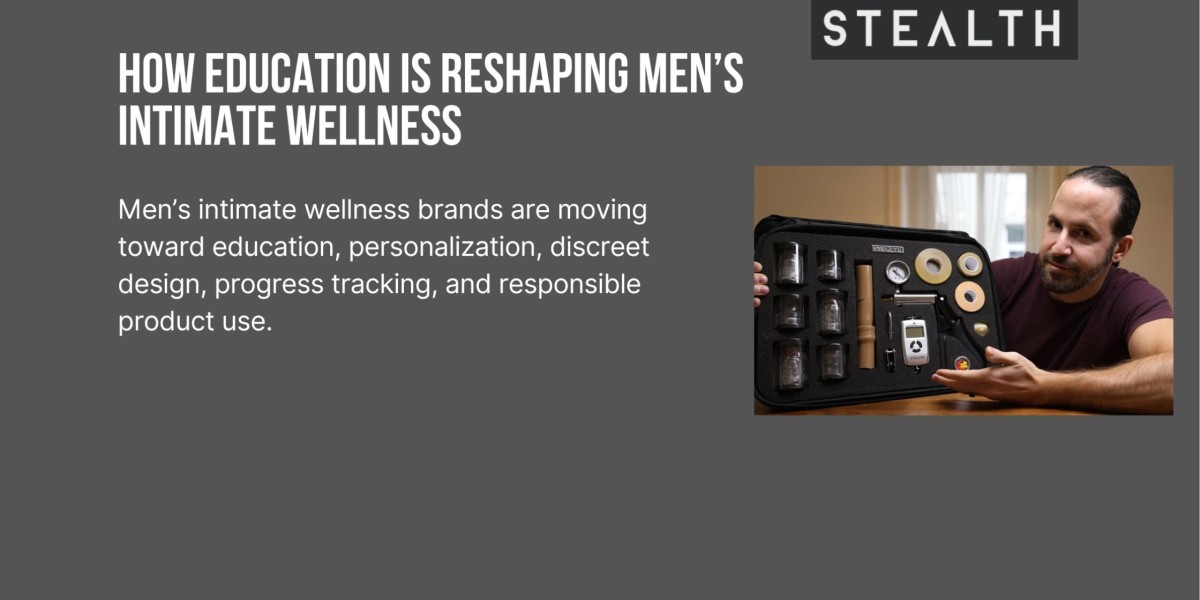

The men’s intimate wellness market is undergoing a noticeable transformation. Once dominated by exaggerated promises, limited product information, and one-size-fits-all solutions, the category is becoming more focused on education, personalization, discreet design, and responsible product use.
Consumers exploring intimate wellness products increasingly expect more than a device and a list of claimed benefits. They want to understand how a product fits into everyday life, how different designs compare, what a responsible routine looks like, and which warning signs should never be ignored.
This change is creating an opportunity for brands that treat consumer education as part of the product experience rather than an afterthought. Stealth for Men is one example of a company building a wider ecosystem around product selection, routine management, comfort, and informed decision-making.
Education Is Becoming Part of the Product
Intimate wellness products can involve highly personal concerns. Many consumers are reluctant to discuss those concerns openly, while others may begin researching without a clear understanding of the available product categories.
That creates a significant information gap.
A product page may explain what an item is designed to do, but it may not answer the practical questions that arise after purchase. Consumers may still need guidance on fit, session consistency, recovery, product differences, and appropriate progression.
Forward-looking brands are addressing this gap through educational content that accompanies the customer throughout the product journey. The strategy serves more than an SEO purpose. It can reduce confusion, manage unrealistic expectations, improve product understanding, and help consumers make decisions based on their routines rather than promotional claims.
In a sensitive market, that kind of clarity can become an important trust signal.
Progress Tracking Is Becoming Part of the Experience
Wearable wellness technology has made consumers more familiar with tracking progress. Fitness applications record workouts, sleep platforms monitor rest, and nutrition tools document daily habits. A similar mindset is beginning to appear within men’s intimate wellness routines.
Progress tracking in this category should not be limited to physical measurements. It can also include session frequency, device stability, wear time, comfort, recovery, skin condition, slippage, and changes in setup.
Stealth for Men addresses this broader approach in its guide to tracking penile traction progress safely. The guide encourages consumers to treat comfort, consistency, recovery, and setup quality as meaningful information instead of judging a routine by measurements alone.
This data-led approach offers an important business advantage. When consumers document their experiences, they are better positioned to identify patterns and make cautious adjustments. They may notice that discomfort appears after longer sessions, that slippage begins at a particular level of tension, or that recovery worsens when rest days are skipped.
A simple record can therefore turn an unstructured product experience into a more deliberate routine. For brands, educational tools such as tracking templates, setup guides, and progress journals can provide value beyond the initial sale.
Personalization Is Replacing One-Size-Fits-All Design
Personalization has become a defining expectation across consumer wellness. Buyers routinely select products according to body type, lifestyle, comfort preferences, experience level, and intended use.
Men’s intimate wellness products are no exception.
Even products designed around similar goals can create very different wearing experiences. A small design feature may determine whether a product feels stable, restrictive, discreet, or practical for extended use.
This is illustrated by the comparison between Stealth Innerwear and Strapless Innerwear. Both options are positioned around discreet daily support and anti-retraction use, but the original design incorporates a strap-based system, while the alternative removes the strap.
The difference may appear simple, yet it reflects an important development within the wider market. Consumers are no longer being presented with a single “best” configuration. They are being offered options based on anatomy, sensitivity, movement, clothing, and personal comfort.
This shift can reduce the likelihood of poor-fit purchases and help brands serve a more diverse customer base. It also changes the role of product comparison content. A useful comparison should not simply declare a winner. It should explain which consumer profile, routine, or preference each option is designed to support.
That approach feels less promotional and more consultative.
Product Ecosystems Are Replacing Standalone Devices
Another development within the category is the move from isolated products toward connected product ecosystems.
Instead of selling a single device for every situation, brands are creating accessories for different stages, intensity levels, and routine types. One product may be designed for discreet daily wear, another for a structured session, and another for consumers seeking adjustable directional support.
Stealth for Men’s analysis of the Corkscrew and ADS Belt System demonstrates how two low-intensity accessories can serve different routines. The Corkscrew is designed to work with Stealth Innerwear for wearable daily support, while the ADS Belt System is designed to connect with a vacuum-based hanger through adjustable attachment points.
The comparison is less about determining which accessory is universally superior and more about identifying compatibility.
That distinction matters commercially. When brands explain how products work together, consumers can understand the broader system before purchasing. Clear compatibility information may also reduce returns, incorrect setups, and frustration caused by mismatched accessories.
A product ecosystem can create stronger customer relationships, but only when it remains understandable. Too many unexplained accessories can create decision fatigue. Brands, therefore, need clear comparison pages, compatibility charts, sizing resources, and beginner pathways to guide consumers through the system.
Responsible Progression Is Becoming a Brand Trust Signal
Intensity-based products present a particular communication challenge. Consumers may assume that more tension, more weight, or longer sessions will automatically produce better outcomes.
That assumption can encourage rushed progression.
Responsible brands have an opportunity to challenge the “more is better” mindset. Instead of leading with maximum intensity, they can emphasize stable setup, gradual adjustment, comfort, recovery, and clear stopping signals.
The Stealth for Men guide to penis hanger weight progression follows this approach by placing controlled use ahead of heavy loading. It discusses device stability, alignment, recovery, slippage, discomfort, numbness, discoloration, and other signs that progression should be delayed or stopped.
This safety-first framing is especially important in a category where some consumers may be hesitant to seek professional advice. Although educational content cannot replace medical guidance, it can discourage careless use and make it clear that pain, numbness, coldness, swelling, or unusual discoloration should not be treated as ordinary progress.
Clinical sources discussing penile traction generally present it as a structured mechanical therapy used for specific medical circumstances, particularly Peyronie’s disease. Medical guidance also notes that treatment requirements and outcomes can vary according to the device and individual condition. Consumers with an injury, circulation problem, persistent discomfort, or diagnosed medical condition should therefore consult a qualified healthcare professional before using traction-based products.
For companies operating within the wider consumer market, responsible education is not merely a compliance exercise. It can distinguish a sustainable brand from businesses built around aggressive claims and short-term sales.
Content Is Becoming a Competitive Business Asset
In many e-commerce sectors, content is treated primarily as a method for attracting search traffic. Within intimate wellness, its role is broader.
High-quality educational content can support several stages of the customer journey. It can introduce unfamiliar product categories, explain differences between models, improve setup expectations, address common concerns, and help existing customers use products more responsibly.
This creates a content-led business model in which articles, guides, sizing tools, comparison pages, and support resources strengthen the commercial value of the products.
The strongest content does not force a sale into every paragraph. Instead, it answers a specific question thoroughly and introduces a relevant product only when the connection is useful. This editorial discipline is particularly important when a brand appears in third-party health, lifestyle, technology, or business publications.
A business-news audience is more likely to respond to evidence of changing consumer behavior, product innovation, personalization, and market maturity than to conventional sales language.
Discretion Remains Central to Innovation
Despite growing public discussion around men’s health, intimate wellness remains a private subject for many consumers. Product innovation must therefore address more than function.
Packaging, visibility under clothing, ease of adjustment, shipping privacy, comfort during movement, and the language used in customer support can all affect the experience.
Discreet design is not simply an aesthetic preference. It can determine whether a consumer feels comfortable incorporating a product into daily life.
Brands that understand this are likely to focus on quieter product profiles, adaptable configurations, clearer sizing, and educational material that avoids judgment or embarrassment. The result is a category that feels closer to modern wellness and personal-care markets than the sensationalized male-enhancement industry of the past.
A More Mature Market Is Beginning to Emerge
The future of the men’s intimate wellness market is unlikely to be defined by a single product breakthrough. It is more likely to be shaped by a combination of better design, clearer education, personalized options, responsible progression, and stronger customer support.
Companies such as Stealth for Men demonstrate how brands can move beyond standalone product listings by creating resources around tracking, comparisons, compatibility, fit, and routine management.
The commercial lesson is straightforward: products may attract initial attention, but information builds confidence.
As consumers become more selective, brands that rely on exaggerated promises may find it increasingly difficult to earn long-term trust. Those that provide realistic guidance, acknowledge product limitations, prioritize safety, and help customers choose according to individual needs may be better positioned to compete in a more informed and mature market.