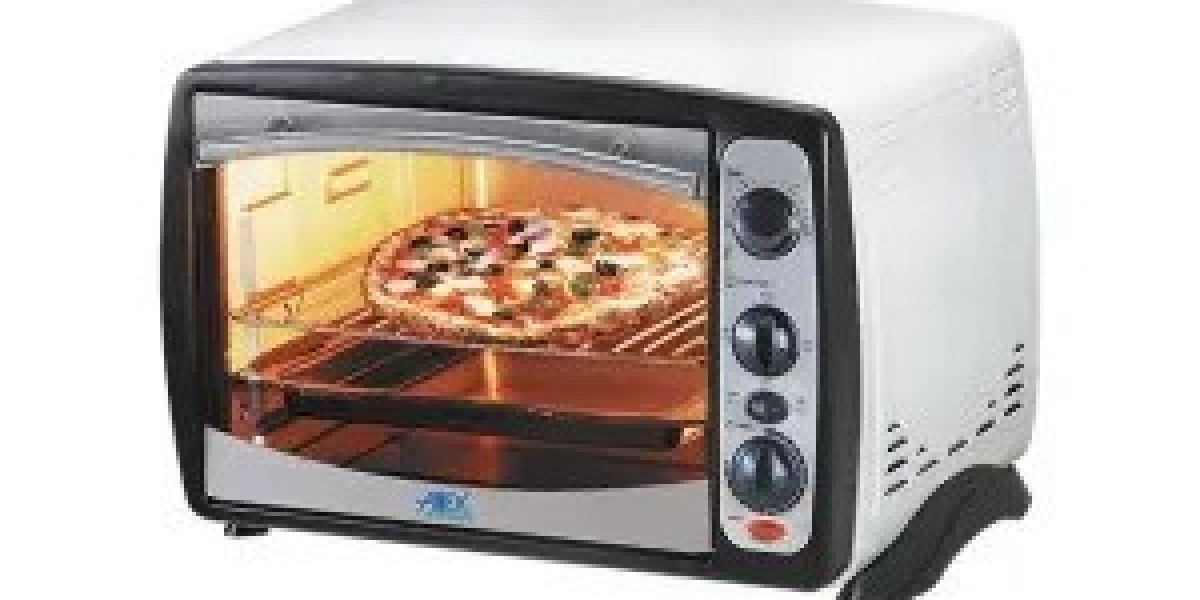

The heartwarming aroma of freshly baked bread, perfectly golden pizzas, and moist cakes has made the baking oven for home kitchen space one of the fastest-growing appliance segments in Pakistan. Modern home kitchens are no longer complete with just a basic stovetop. Whether you are an aspiring home baker looking to launch a boutique dessert business or a parent wanting to prepare healthy, oil-free baked meals for your family, selecting the right oven can completely transform your daily cooking routine.
However, choosing the perfect appliance involves understanding different fuel sources, capacities, installation styles, and the specific culinary requirements of your household.
Choosing the Right Fuel Source: Gas vs. Electric
The most critical decision you will make when shopping for a home baking oven is selecting the energy source. In Pakistan, this choice directly impacts both your cooking precision and your monthly utility expenses.
Gas Ovens
Gas baking ovens have been a staple of Pakistani households for decades. They run on either piped Natural Gas (Sui Gas) or Liquified Petroleum Gas (LPG) cylinders.
The Pros: They are incredibly cost-effective to run, heat up rapidly, and do not put a strain on your electricity bill.
The Cons: Gas burners naturally create a humid cooking environment. While this is excellent for roasting succulent meats, it can make achieving a perfectly dry, crisp crust on delicate pastries or cookies a bit challenging. Additionally, older gas models can develop uneven hot spots since heat typically rises solely from the bottom burner.
Electric Ovens (OTGs)
Electric Oven-Toaster-Grillers (OTGs) utilize heavy-duty heating coils located at both the top and bottom of the interior cavity.
The Pros: Electric models offer highly precise, uniform temperature control. They provide a perfectly dry heat environment that allows cakes to rise evenly and cookies to crisp beautifully.
The Cons: They consume considerable power, usually ranging from 1500W to over 3000W. This requires careful management during peak electricity hours.
Form Factors: Countertop vs. Built-In Ovens
Depending on your available kitchen space and renovation budget, you can choose between two main design configurations:
1. Countertop Electric Ovens (OTGs)
If you need flexibility and a straightforward setup, a standalone countertop electric oven is the ideal choice. These units require zero kitchen remodeling—you simply place them on a sturdy counter, plug them into a standard wall outlet, and begin baking.
Popular models from trusted brands like Anex, West Point, and Dawlance range from compact 20-liter sizes up to spacious 60-liter capacities, making them a highly practical choice for everyday family kitchens.
2. Built-In Ovens
For homeowners designing a modern, modular kitchen, a built-in oven is the gold standard. These premium units are installed directly into your kitchen cabinetry at eye or waist level, saving valuable countertop space and creating a sleek, seamless aesthetic. Brands like Fotile, Haier, and Siemens offer premium built-in models that combine gas burners with electric grills, giving you the best of both worlds.
Key Features Every Baker Should Look For
To ensure your baking oven can handle a wide variety of recipes, look for these three essential features before making a final purchase:
Convection Fan Integration: Basic ovens rely on passive heat distribution, which can leave some areas hotter than others. A convection oven features a built-in fan that actively circulates hot air throughout the entire interior cavity. This eliminates hot spots, allowing you to bake multiple trays of biscuits simultaneously with perfectly uniform browning.
Rotisserie Functionality: If your family enjoys savory dishes alongside sweet treats, a rotisserie feature is a must-have. This motorized, rotating spit slowly turns whole chickens or joints of meat directly under the heating element, ensuring self-basting tenderness and a beautifully crisp outer skin.
Internal Light and Double-Glass Door: Opening an oven door mid-cycle releases a massive burst of heat, which can cause delicate soufflés or sponge cakes to collapse. A bright internal viewing light combined with a transparent, double-layered glass door lets you safely monitor your food's progress while keeping the heat securely trapped inside.
Practical Operational Advice for Home Bakers
Invest in an External Oven Thermometer: Internal dials on budget-friendly ovens can occasionally deviate from the actual interior temperature by $10^\circ\text{C}$ to $20^\circ\text{C}$. Hanging a simple, inexpensive mechanical stainless steel thermometer inside the rack ensures total baking accuracy.
Preheating is Non-Negotiable: Never place your dough or batter into a cold oven. Always allow your appliance to run for 10 to 15 minutes at your target recipe temperature beforehand. This ensures the structural leavening agents react instantly for an optimal rise.
Ensure Adequate Ventilation: Baking ovens generate significant external heat during long running cycles. Always maintain a minimum 4-to-6-inch clearance space around the sides and back of countertop models to allow safe heat dissipation.
Selecting the right baking oven is an investment in your culinary creativity and family well-being. By matching the power type, size, and features to your kitchen's unique layout, you can look forward to years of reliable performance and delicious home-cooked meals.