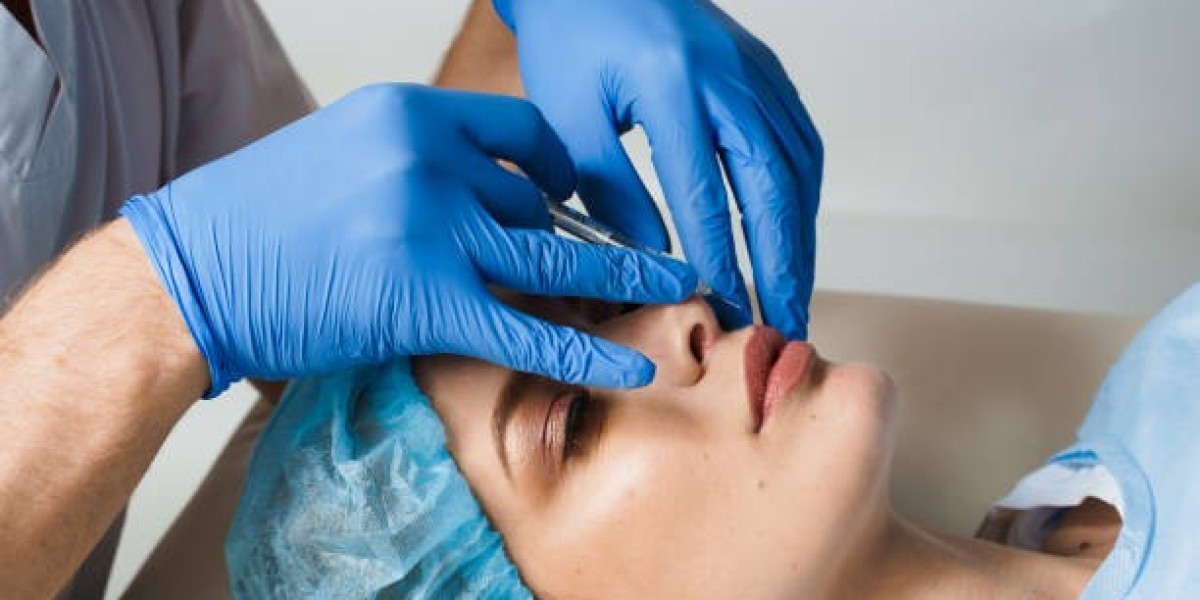

Rhinoplasty has evolved significantly with advances in surgical planning, anatomical understanding, and techniques designed to reshape the nose while preserving its function. Modern approaches focus on achieving balanced facial proportions, maintaining structural support, and addressing breathing concerns when necessary. For individuals considering Rhinoplasty in Riyadh (تجميل الأنف في الرياض), understanding these developments can help clarify the available options and the importance of personalized surgical planning. Although newer techniques offer valuable advantages in selected cases, the most appropriate approach depends on each patient's nasal anatomy, medical history, and desired outcome.
How Rhinoplasty Techniques Have Evolved
Traditional rhinoplasty often focused on removing or reshaping nasal bone and cartilage to achieve a desired appearance. Modern surgical approaches place greater emphasis on preserving important anatomical structures and making controlled adjustments that support both appearance and nasal function.
Surgeons now evaluate the nose as a three-dimensional structure involving bone, cartilage, skin, and internal airways. This broader perspective helps them plan changes that complement the patient's facial features while reducing the risk of unwanted structural weakness.
The goal is not simply to create a smaller nose. Instead, the objective is to achieve a proportionate appearance while maintaining adequate support and, where relevant, improving airflow.
Modern Surgical Techniques Used in Rhinoplasty
Open Rhinoplasty
Open rhinoplasty involves incisions inside the nose and a small incision across the columella, the tissue separating the nostrils. This approach allows the surgeon to lift the nasal skin and obtain a direct view of the underlying structures.
It can be useful for complex reshaping, significant nasal tip adjustments, and certain revision procedures. The improved visibility may help with precise structural changes, although the technique can involve temporary swelling and a small external scar.
Closed Rhinoplasty
Closed rhinoplasty uses incisions located inside the nostrils, leaving no external incision across the columella. It may be suitable for selected procedures where the required changes can be achieved through this approach.
Potential benefits include avoiding an external incision, but visibility and access differ from those available with open surgery. Neither open nor closed rhinoplasty is universally superior; the choice depends on the planned corrections and the surgeon's assessment.
Preservation Rhinoplasty
Preservation rhinoplasty aims to retain certain existing nasal structures rather than remove and reconstruct them extensively. In selected patients, surgeons may use techniques that preserve aspects of the nasal bridge while adjusting its overall profile.
This approach may help maintain natural anatomical relationships, but it is not appropriate for every nose. The patient's existing shape, previous surgery, and structural concerns determine whether preservation methods are suitable.
Structural Rhinoplasty
Structural rhinoplasty focuses on maintaining or rebuilding the support of the nose while making aesthetic changes. Surgeons may reshape cartilage or use carefully selected cartilage grafts to support the nasal tip, bridge, or internal nasal valves.
Maintaining adequate support is important because excessive removal of cartilage can contribute to irregularities or breathing problems. Structural techniques are especially relevant when significant reshaping or correction of existing weakness is required.
The Role of Technology in Modern Rhinoplasty
Digital Imaging and Surgical Planning
Digital photographs and three-dimensional imaging tools may help surgeons explain potential changes and discuss a patient's goals before surgery. These tools can support communication by showing how different adjustments might influence overall facial balance.
However, digital simulations are planning aids, not guarantees of surgical results. Healing, skin thickness, anatomy, and individual tissue responses all affect the final appearance.
Improved Understanding of Nasal Anatomy
Advances in anatomical assessment help surgeons identify how cartilage, bone, and internal airway structures interact. A careful examination can reveal concerns such as a deviated septum, weak nasal support, or internal nasal valve narrowing.
For patients seeking Rhinoplasty in Riyadh, this comprehensive assessment can help determine whether the procedure should focus primarily on appearance, nasal function, or both.
Functional Rhinoplasty and Breathing Improvements
Modern rhinoplasty is not limited to cosmetic changes. Functional rhinoplasty may address structural problems that contribute to nasal obstruction, including selected cases involving internal nasal valve dysfunction or weakened nasal support.
When a deviated septum contributes to breathing difficulties, septoplasty may be recommended. In suitable cases, septoplasty and rhinoplasty can be performed together as septorhinoplasty.
Not every breathing problem requires surgery, however. Allergies, inflammation, and other medical conditions may also cause nasal congestion. A qualified clinician should assess the underlying cause before recommending treatment.
How Modern Techniques Support Natural-Looking Results
Personalized Surgical Planning
Every nose has different proportions, skin characteristics, and structural requirements. Modern surgical planning emphasizes adapting the procedure to the individual's anatomy rather than applying the same shape or technique to every patient.
Surgeons may consider the relationship between the nose, chin, forehead, and other facial features when planning changes. This can help create a balanced appearance that suits the patient's natural features.
Preserving Nasal Support
Maintaining adequate structural support is essential for both appearance and function. Controlled reshaping, selective cartilage grafting, and preservation methods may help reduce the risk of certain deformities when appropriately selected.
Nevertheless, no technique can eliminate all risks. Results depend on surgical judgment, healing, and the complexity of the procedure.
Risks and Recovery Considerations
Despite technical advances, rhinoplasty remains a surgical procedure with potential complications. These may include bleeding, infection, scarring, persistent swelling, asymmetry, changes in sensation, dissatisfaction with appearance, and breathing difficulties. Some patients may eventually require revision surgery.
Recovery typically involves swelling, bruising, congestion, and temporary tenderness. Much of the initial swelling improves over several weeks, while subtle changes—particularly around the nasal tip—can continue for a year or longer.
Patients should follow their surgeon's aftercare instructions, attend scheduled appointments, avoid activities that could injure the nose, and seek medical advice if symptoms worsen unexpectedly.
Choosing the Right Rhinoplasty Approach
Selecting a technique requires a thorough consultation with a qualified surgeon who understands both nasal aesthetics and function. Patients should discuss their goals, medical history, previous nasal procedures, medications, and expectations for recovery.
It is also helpful to ask why a particular approach is recommended, what alternatives exist, and what limitations or risks may apply to the individual case. A modern technique is valuable only when it is appropriate for the patient's needs.
Book an Appointment at Royal Clinic Saudia
Advances in surgical techniques have expanded the options available for reshaping the nose, preserving structural support, and addressing selected breathing concerns. The right approach still depends on individual anatomy, realistic expectations, and careful medical evaluation. At Royal Clinic Saudia ( عيادات رويال كلينك ), individuals considering Rhinoplasty in Riyadh can arrange a consultation to discuss their goals, explore suitable surgical approaches, and understand the potential benefits, limitations, and recovery requirements before making an informed decision.