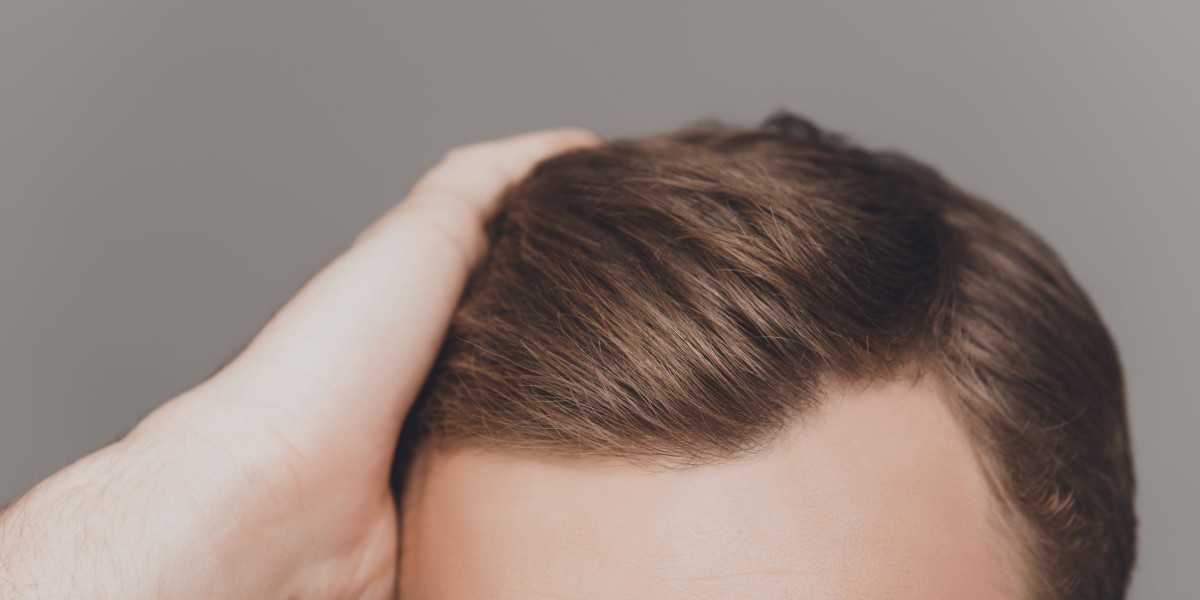

Choosing the right hair texture is an important part of creating a natural-looking hair replacement system. Texture affects how the replacement blends with existing strands, how much volume it appears to have, and how easily it can be styled. A suitable match should complement the individual’s natural hair rather than simply reproduce a preferred hairstyle.
For people considering Hair Replacement in Dubai, texture selection is usually assessed alongside hair colour, density, length, wave pattern, and the condition of the existing hair. Straight, wavy, and curly systems can each produce different visual effects, and even subtle differences in texture may become noticeable when the replacement is worn close to natural hair.
Dubai’s climate can also be relevant. Heat, humidity, perspiration, and frequent outdoor exposure may influence how certain textures behave throughout the day. A texture that looks appropriate indoors may require different maintenance when exposed to moisture or heat.
The goal is therefore not simply to choose the most attractive texture. It is to identify an option that suits the person's existing hair, lifestyle, styling habits, facial features, and desired appearance. Professional assessment can help determine whether the selected texture will integrate naturally and remain practical for regular use.
Understanding Different Hair Textures
Hair replacement systems are available in a range of textures, including straight, slightly wavy, wavy, and curly patterns. Some systems can also be customised to create a particular movement or finish.
Straight textures generally provide a sleek appearance and may work well for individuals whose natural hair is relatively straight. They can also make styling easier when a smooth, controlled appearance is preferred.
Wavy textures offer more movement and can provide additional visual volume. They may be particularly useful when the existing hair has a natural wave or when a softer, less structured hairstyle is desired.
Curly textures require closer attention to curl size, direction, density, and overall shape. A mismatch between the replacement and existing hair can be more noticeable with curls because the pattern affects the overall silhouette.
Matching Texture With Existing Hair
The most important consideration is usually the relationship between the replacement and the surrounding natural hair. If the textures differ significantly, the transition area may appear less seamless.
A specialist may assess the natural pattern when the hair is dry and, where appropriate, observe how it changes after washing or exposure to moisture. This can help distinguish the natural texture from temporary styling effects.
Density should also be considered. A fine, loosely wavy texture may require a different system density from thick, tightly curled hair. Matching these characteristics helps maintain proportion and reduces the risk of the replacement appearing noticeably different from the surrounding hair.
How Lifestyle Influences Texture Selection
Personal routine can influence which texture is practical. Someone who frequently exercises, spends considerable time outdoors, or prefers minimal styling may need a system that remains manageable under changing environmental conditions.
Humidity can alter the appearance and movement of natural and replacement hair, particularly with wavy and curly patterns. People who regularly use styling products or heat-based tools should also discuss whether their preferred texture can accommodate those habits.
The intended hairstyle matters as well. A person seeking a short, conservative cut may have different texture requirements from someone who prefers longer layers with noticeable movement.
Maintenance Requirements by Texture
Different textures may require different maintenance approaches. Straight hair can show changes in direction or separation relatively clearly, while curly hair may require careful handling to preserve its pattern.
Wavy hair often sits between these two extremes. It can provide natural movement but may require appropriate conditioning and styling to maintain its intended shape.
Regular cleaning, conditioning, brushing or detangling techniques, and professional maintenance can all influence how the texture looks over time. The care routine should be discussed before selecting a system so that expectations remain realistic.
Choosing Texture Based on Facial Appearance
Texture can also influence how a hairstyle frames the face. Straight hair may create cleaner lines, while waves and curls can introduce softness and additional visual movement.
However, texture should not be selected solely according to facial shape. Hairline design, density, length, colour, and hairstyle all contribute to the final appearance. A professional assessment can help combine these elements rather than treating texture as an isolated decision.
How to Choose the Right Clinic for Hair Replacement in Dubai
Selecting a suitable provider involves more than comparing available textures. The consultation should cover the condition of existing hair, scalp characteristics, lifestyle requirements, and the desired final appearance.
Experience and Qualifications
Look for qualified professionals with relevant experience in hair restoration and replacement services. Experience with different textures and system designs can be particularly useful when a close match is required.
Technology and Techniques
Ask how the provider assesses texture, density, colour, and system fit. Customisation methods, material choices, attachment techniques, and styling capabilities may affect the final result.
Safety Standards
A reputable facility should follow appropriate hygiene and safety procedures. The consultation should also address scalp sensitivity, maintenance requirements, attachment methods, and any relevant contraindications.
Consultation Process
A detailed consultation should provide an opportunity to discuss expectations rather than simply selecting a texture from a catalogue. Photographs, existing hair characteristics, preferred hairstyles, and daily routines may all contribute to the recommendation.
Patient Experience
Communication is an important part of the process. Patients should understand how often maintenance may be required, what changes can be made later, and how to care for the selected system at home.
Expected Results
A realistic discussion should cover blending, density, texture, styling, maintenance, and longevity. Hair replacement can create a fuller appearance, but the final result depends on the quality of the system, customisation, fitting, maintenance, and individual circumstances.
Enfield Royal Clinic
Enfield Royal Clinic approaches hair replacement with attention to the relationship between the selected system and the individual's existing appearance. During consultation, factors such as texture, density, colour, hairline design, and preferred styling can be considered together.
For people exploring Hair Replacement in Dubai, discussing texture during the initial assessment can help establish whether a straight, wavy, or curly option is more appropriate for their natural characteristics and daily routine. A personalised approach is useful when the objective is to achieve a balanced appearance rather than simply adding volume.
Frequently Asked Questions
Can hair texture be customised in a hair replacement system?
Yes. Depending on the system and available customisation options, texture can often be selected or adjusted to resemble the person's natural hair or desired hairstyle.
Should the replacement texture exactly match my natural hair?
An exact match is not always necessary, but compatibility is important. Significant differences in texture, density, or movement can make blending more difficult.
Does Dubai's climate affect hair replacement texture?
Heat and humidity can influence how hair behaves. Wavy and curly textures may respond differently to moisture, while styling and maintenance routines can also affect the appearance of the system.
Which texture is easiest to maintain?
There is no single texture that is easiest for everyone. Straight hair may require less effort for some styling routines, while people accustomed to naturally wavy or curly hair may find those textures easier to manage.
Can I change the hairstyle after choosing a texture?
In many cases, the system can be trimmed or restyled within its design limitations. However, major changes may not always be practical, so the preferred hairstyle should be discussed before the system is customised.
Conclusion
Hair texture is an important component of a natural-looking hair replacement system. The right choice depends on existing hair characteristics, desired styling, lifestyle, maintenance preferences, and environmental factors. Straight, wavy, and curly textures can all work effectively when selected and customised appropriately.
When considering Hair Replacement, a detailed consultation can help determine how texture should work alongside density, colour, length, and hairline design. Rather than choosing a texture based solely on appearance, patients should consider how it will behave in everyday life and how easily it can be maintained over time.